-
Shop
- Advanced Technologies
- AI Career Advantage Collection
- Apple Accessories
- Bathroom
- Best Sellers
- Black Friday Sale
- Car Accessories
- Digital Products
- Digital Resources
- Fashion
- Furniture
- Gadgets
- Gift Ideas
- Health & Beauty
- Home
- Home & Garden
- Home Decor
- Home Electronics
- Home Supplies
- Independence Day
- Kitchen
- Lighting
- Mother’s Day
- Patio, Lawn & Garden
- Pet Supplies
- Pets
- Samsung Accessories
- Special Deals
- Sport & Outdoors
- Super Deals
- Travel & Outdoors
- Watches
- New arrivals
- Featured
Postpartum Exercise Timeline After Vaginal Birth
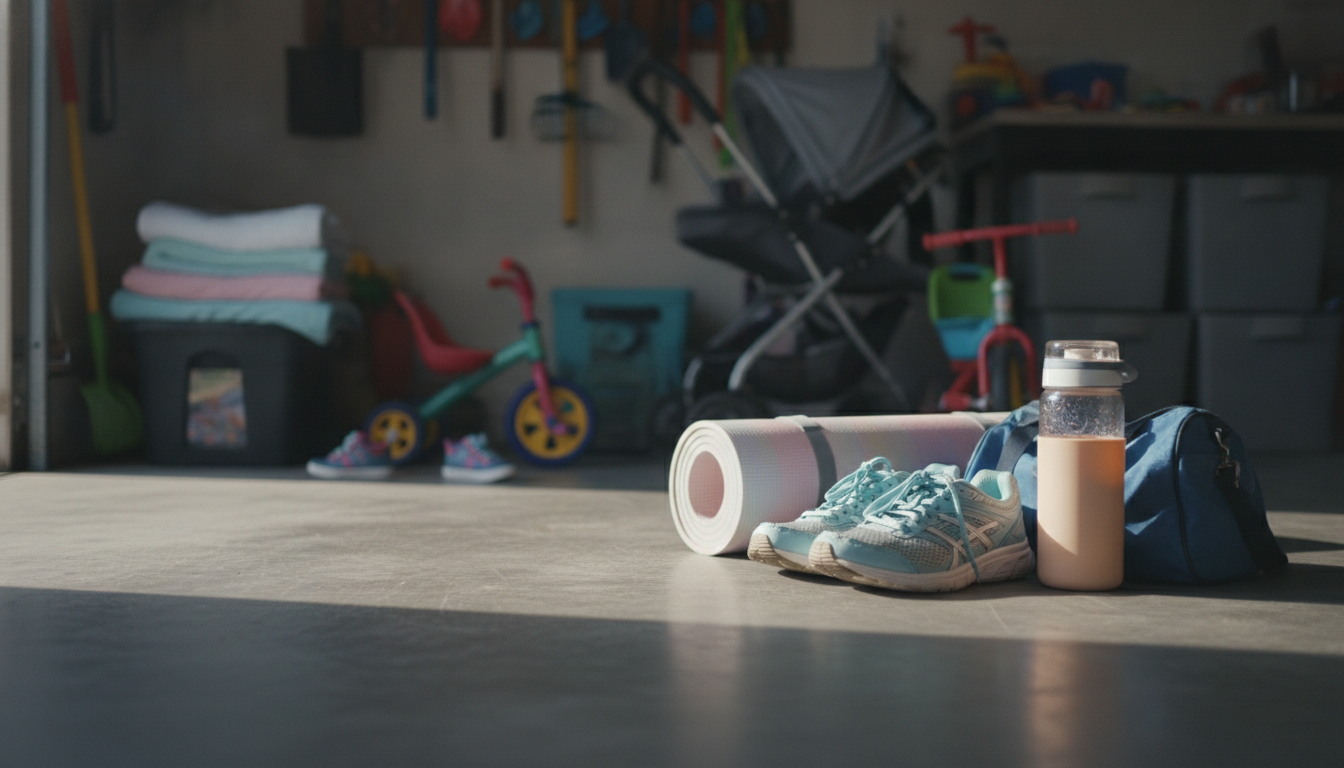
When to start postpartum exercise after normal delivery
After a normal (vaginal) delivery, many people can begin gentle movement within the first few days—as long as bleeding is not increasing, pain is manageable, and there are no complications. Think “circulation and comfort,” not “workouts.” Short walks around the house, deep diaphragmatic breathing, and light stretching are often appropriate early starting points.
For most, a more intentional return to exercise begins around the 2–6 week window, guided by symptoms and medical clearance. If your provider gives the green light at your postpartum visit, you can usually progress gradually—starting with low-impact activities and rebuilding core and pelvic floor control before adding intensity. A helpful way to plan your comeback is to follow a safety checklist and progression steps like those outlined here: postpartum exercise safety checklist and return-to-movement guide.
What you can do first (and what to wait on)
Early postpartum exercise is typically about restoring function: breathing drills, gentle pelvic floor contractions (if comfortable), mobility work, and easy walking. These support recovery, posture, and energy without overloading healing tissues.
It’s usually best to delay high-impact and high-pressure activities—running, jumping, heavy lifting, intense core moves (like full sit-ups), and long or fast workouts—until you can do daily tasks without heaviness, leaking, sharp pain, or increased bleeding. If you notice doming along the midline of your abdomen, pelvic pressure, or worsening back/hip pain, scale back and prioritize foundational strength first.
Signs you may need to slow down or get checked
Contact a healthcare provider if you have heavy bleeding that increases with activity, fever, severe pelvic or abdominal pain, dizziness, chest pain, or new swelling in one leg. Also ask about pelvic floor physical therapy if you have persistent leaking, pressure, or pain with movement.
FAQ
What exercises should be avoided postpartum?
In the early weeks, avoid anything that spikes pressure or impact, such as running, jumping, heavy lifting, or aggressive ab workouts. Wait until symptoms are stable and you can engage your core and pelvic floor without pain, leaking, or heaviness.
Recommended for you



AI Business Case: Win Approval for a New Role
Jul 16, 2026













Leave a comment