-
Shop
- Advanced Technologies
- AI Career Advantage Collection
- Apple Accessories
- Bathroom
- Best Sellers
- Black Friday Sale
- Car Accessories
- Digital Products
- Digital Resources
- Fashion
- Furniture
- Gadgets
- Gift Ideas
- Health & Beauty
- Home
- Home & Garden
- Home Decor
- Home Electronics
- Home Supplies
- Independence Day
- Kitchen
- Lighting
- Mother’s Day
- Patio, Lawn & Garden
- Pet Supplies
- Pets
- Samsung Accessories
- Special Deals
- Sport & Outdoors
- Super Deals
- Travel & Outdoors
- Watches
- New arrivals
- Featured
Postpartum Exercise Safety Checklist: Return to Movement
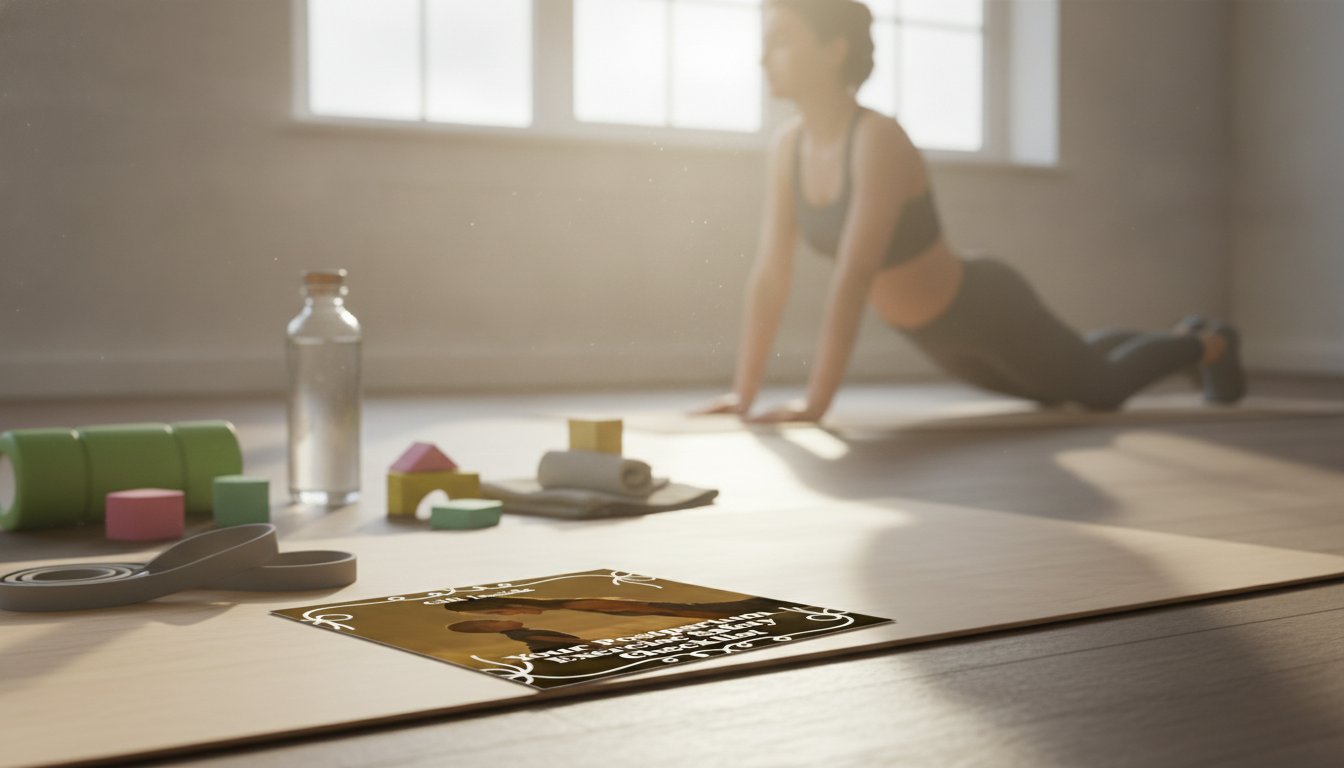
Your Postpartum Exercise Safety Checklist for a Confident Return to Movement
Returning to exercise after birth can feel both exciting and uncertain. A simple safety checklist helps new moms rebuild strength with fewer setbacks—by prioritizing healing, pelvic floor support, and clear “stop” signals while gradually increasing activity. The goal isn’t to rush back; it’s to return with confidence, clear boundaries, and a plan that respects what your body has been through.
Start with medical clearance and your personal timeline
Before increasing activity beyond gentle walking and everyday movement, confirm your postpartum follow-up timing and any individualized restrictions. The right plan depends on factors like vaginal birth vs. C-section, tearing, blood pressure concerns, anemia, and any complications.
- Confirm clearance and restrictions: Ask specifically about lifting limits, incision/perineal healing, return to impact (running/jumping), and pelvic floor symptoms.
- Use milestones rather than dates: Reduced bleeding, manageable fatigue, comfortable incision/perineum, and stable core/pelvic symptoms are better markers than “X weeks postpartum.”
- Consider pelvic floor physical therapy early when needed: If you had a complicated delivery, persistent pain, significant prolapse symptoms, or ongoing leakage, an assessment can prevent months of trial-and-error.
For general guidance on postpartum physical activity, see the ACOG Committee Opinion on exercise during pregnancy and postpartum.
Know the “stop now” signs during postpartum workouts
Postpartum exercise should feel challenging in a normal “working” way, not alarming. Stop your session and contact a clinician if you notice any of the following:
- Bleeding concerns: Heavy bleeding (soaking a pad in an hour), bleeding that increases with exercise, or new bright-red bleeding after it had slowed.
- Cardiovascular or neurological red flags: Chest pain, shortness of breath beyond normal exertion, dizziness, fainting, or severe headache—especially with swelling or vision changes.
- Clot/infection/incision issues: Sharp pelvic/abdominal pain, incision pulling or opening, calf pain/swelling, fever, drainage, or increasing redness.
- Pelvic floor warning signs: A “bearing down” sensation, pelvic heaviness, or bulging. Reduce intensity and get assessed for prolapse and pelvic floor support.
If you’re unsure whether a symptom is urgent, the Mayo Clinic overview of postpartum warning signs is a helpful reference to compare what you’re feeling with typical “call your provider” symptoms.
The safety checklist: before, during, and after each session
A consistent routine of quick check-ins can make postpartum training feel simpler and safer.
Before
- Assess sleep and fatigue, hydration, and fueling—then choose a session that matches the day’s capacity.
- Check breast comfort (especially before impact). Feeding or pumping first may reduce soreness.
- Notice pelvic pressure, heaviness, or pain at rest. If symptoms already feel “on edge,” scale the workout down.
During
- Keep breathing steady and avoid breath-holding (Valsalva) early on; exhale on effort.
- Prioritize clean form and controlled tempo over heavier weights.
- Use a simple talk test: you should be able to speak in short sentences without gasping.
After (and the next day)
- Check for symptom flare within 24 hours—pelvic heaviness, increased bleeding, worsening back/hip pain, or urine leakage often means the session was too much.
- Progress one variable at a time (duration, load, frequency, or impact).
- Early on, keep at least one easy/rest day between harder sessions.
| Checkpoint | Green light | Caution | Stop & get help |
|---|---|---|---|
| Bleeding/lochia | Stable or decreasing | Increases after workouts | Soaking pad/hour or sudden heavy bleeding |
| Pelvic floor symptoms | No heaviness or bulging | Mild pressure that resolves with rest | Heaviness/bulge that persists or worsens |
| Core/abdomen | No doming/coning with effort | Doming with certain moves | Sharp pain, significant separation concerns |
| Breathing & intensity | Can talk in short sentences | Gasping or breath-holding | Chest pain, fainting, severe dizziness |
| Incision/perineum | Comfortable movement | Pulling/tenderness | Opening, drainage, fever, increasing redness |
| Next-day response | Feels normal or better | Soreness + mild symptom flare | Symptom spike lasting >24 hours |
Build a foundation: breathing, alignment, and pelvic floor basics
The most “athletic” postpartum move is often learning to manage pressure again. Start with basics that reconnect the diaphragm, deep core, and pelvic floor.
Protect the core: diastasis and pressure management
Progression plan: low-impact to higher-impact safely
A practical rule: increase weekly volume in small steps and back off immediately if bleeding, heaviness, or leakage worsens. For additional general guidance, the NHS guide to exercise after pregnancy is a straightforward starting point.
Feeding, hydration, and recovery considerations
A printable checklist to keep workouts simple
- 66W 5A Fast Charging Spring Retractable USB Type C Cable – For Car & On-the-Go
- Modern Abstract Face Storage Box
FAQ
When is it safe to start exercising after giving birth?
It depends on your medical clearance, your delivery (vaginal vs. C-section), and how your healing is progressing. Many people start with gentle walking and breathing/core coordination first, then build based on milestones like decreasing bleeding, manageable fatigue, and stable pelvic symptoms.
What postpartum exercise symptoms mean the workout was too intense?
Common signs include increased bleeding, pelvic heaviness/bulging, worsening urine leakage, sharp pelvic/abdominal pain, incision pulling or drainage, dizziness, or chest pain. If symptoms spike and last more than 24 hours, reduce intensity next session and seek medical advice when needed.
How can workouts be modified for diastasis recti or a weak core?
Avoid moves that create doming/coning, exhale on effort, and choose lower-pressure core work like heel slides, dead-bug variations, and anti-rotation exercises. Gradually increase load and range of motion, and consider pelvic floor PT for individualized progressions.
Recommended for you



Magnetic Visor Sunglass Holder for Tickets & Cards
Jun 26, 2026
7-Driver Hybrid Hi-Fi IEMs: Fit, Tuning & Cable Tips
Jun 26, 2026













Leave a comment