-
Shop
- Advanced Technologies
- AI Career Advantage Collection
- Apple Accessories
- Bathroom
- Best Sellers
- Black Friday Sale
- Car Accessories
- Digital Products
- Digital Resources
- Fashion
- Furniture
- Gadgets
- Gift Ideas
- Health & Beauty
- Home
- Home & Garden
- Home Decor
- Home Electronics
- Home Supplies
- Independence Day
- Kitchen
- Lighting
- Mother’s Day
- Patio, Lawn & Garden
- Pet Supplies
- Pets
- Samsung Accessories
- Special Deals
- Sport & Outdoors
- Super Deals
- Travel & Outdoors
- Watches
- New arrivals
- Featured
Handheld Massager: 3 Heads, Multi-Speed Vibration Relief
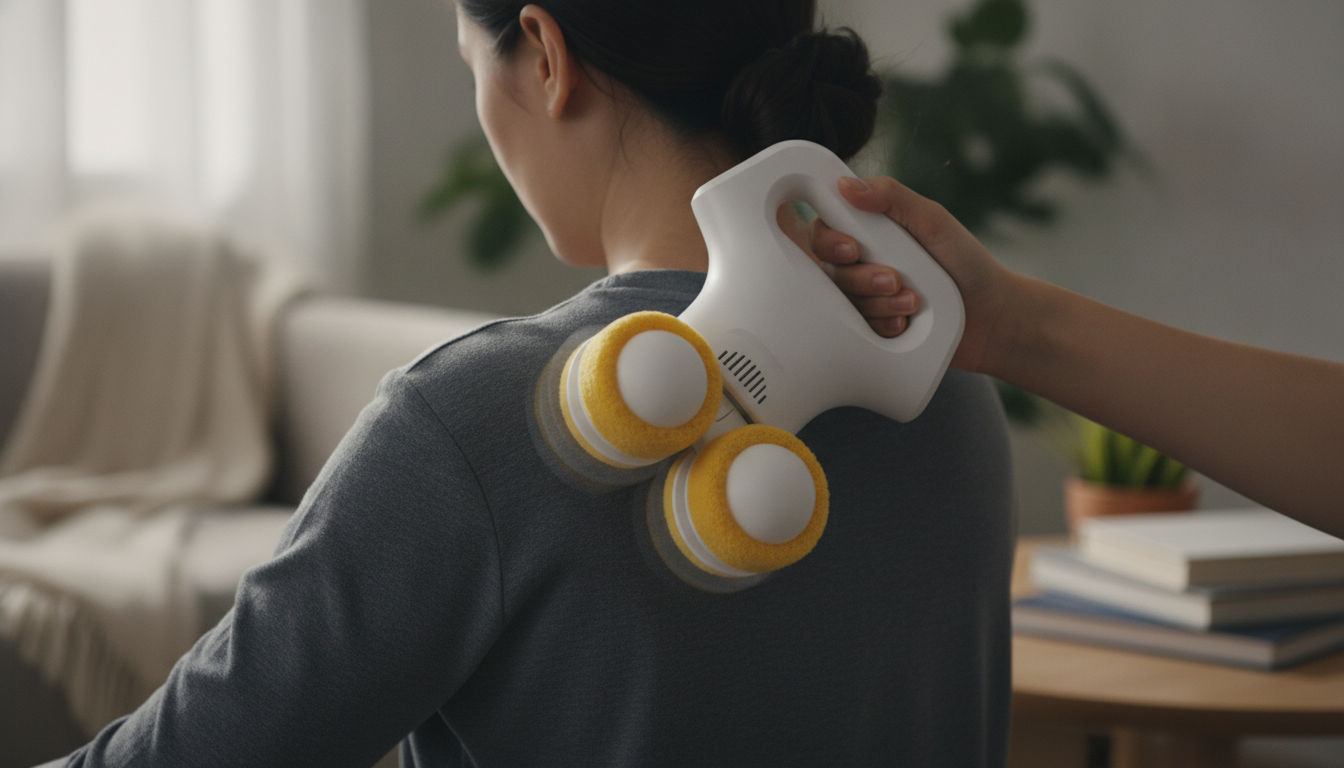
Handheld Body Shaping Massager with 3 Heads & Multi-Speed Vibration Therapy
A handheld vibration massager can help loosen tight muscles, support post-workout recovery, and provide targeted comfort in areas that feel stiff from long days or training. This model pairs multiple interchangeable heads with adjustable speeds so pressure and intensity can be matched to different body zones and sensitivity levels. For anyone building a simple mobility or recovery habit at home, a compact, easy-to-grip massager makes it easier to stay consistent—especially when time is limited.
What this handheld massager is designed to do
- Provides vibration-based massage to help relax muscles and improve comfort in sore or tight areas
- Targets common tension zones such as calves, thighs, glutes, shoulders, and upper back
- Supports short, consistent sessions as part of a recovery, mobility, or wellness routine
- Offers multiple speed settings to adapt from gentle relaxation to deeper muscle work
Massage is commonly used to promote relaxation and reduce stress, and many people also find it helpful for routine muscle comfort. For a broader look at potential benefits and expectations, see Mayo Clinic’s overview of massage. For practical safety guidance with handheld massagers, Cleveland Clinic’s notes on percussion-style devices offer helpful usage pointers.
Three head attachments and when to use each
The included heads let you tailor the “feel” of the massage to the area you’re working. In general, broader contact tends to feel gentler and more forgiving, while a smaller contact point feels more intense (even at the same speed). Swap heads based on muscle size, sensitivity, and whether you prefer broad coverage or more focused, knot-specific work.
Head guide: best match by area and feel
| Head type | Best for | Sensation | Quick tip |
|---|---|---|---|
| Broad/flat-style head | Quads, hamstrings, glutes, upper back | Even, surface-level vibration | Keep the tool moving in slow passes to avoid overworking one spot |
| Round/ball-style head | General full-body use, calves, shoulders | Balanced pressure with a slightly deeper feel | Pause 10–20 seconds on tight bands, then move on |
| Target/point-style head | Smaller knots and focused areas (hips, feet, around shoulder blades) | More concentrated sensation | Use the lowest speed first; avoid pressing directly on bony areas |
Multi-speed vibration: choosing the right intensity
Speed isn’t just about “stronger is better.” The right setting depends on the area, your tolerance that day, and what you’re trying to achieve (warm-up vs. recovery vs. relaxation). A useful rule: aim for “strong but comfortable.” If you feel numbness, sharp pain, or soreness that lingers and worsens afterward, back off on speed and time.
- Low speeds: warm-up, relaxation, sensitive areas, or first-time use
- Mid speeds: everyday recovery after walks, gym sessions, or prolonged sitting
- High speeds: short, targeted work on large muscle groups when tolerance is established
Pressure matters as much as speed. Let the vibration do the work and use light-to-moderate pressure—especially near tender spots—rather than bracing down hard.
Simple routines for common body areas
Short sessions done regularly tend to be easier to stick with than occasional long sessions. If you’re new to vibration massage, start on the lowest speed, use a broad head, and spend less time per area for the first few days.
Post-workout legs (6–10 minutes)
- Calves: 1–2 minutes per side
- Quads: 1–2 minutes per side
- Hamstrings: 1–2 minutes per side
- Glutes: 1–2 minutes per side
Desk-day reset (5–8 minutes)
- Upper traps: 1 minute per side (stay on the muscle, not the neck)
- Mid-back: 1–2 minutes (work along the muscles next to the spine, not on bony areas)
- Forearms: 1–2 minutes (helpful if typing or gripping tools all day)
- Hips/thighs: 1–2 minutes
Pre-activity warm-up (3–5 minutes)
- Use low speed and quick sweeps over major muscle groups to boost comfort before movement.
- Finish with light mobility (leg swings, hip circles, shoulder rolls) for a smoother transition into activity.
For a more complete wind-down, pair the session with gentle stretching after massage—especially for calves, hip flexors, and chest/shoulders.
Comfort and safety notes
- Avoid direct use on injured tissue, open skin, bruises, or areas with inflammation unless cleared by a clinician.
- Do not press directly on the front/side of the neck, the spine’s bony prominences, or joints; focus on surrounding muscles instead.
- Stop if pain is sharp, radiating, or causes tingling/numbness that persists.
- If pregnant, on blood thinners, or managing a medical condition (such as clotting risk or neuropathy), seek medical guidance before use.
Care, cleaning, and storage
Product highlights at a glance
If you want a compact tool for routine muscle comfort, the Handheld Body Shaping Massager with 3 Heads & Multi-Speed Vibration Therapy is built for quick, targeted sessions—without complicated setup.
| Feature | What it means in use |
|---|---|
| 3 head attachments | Switch between broad coverage and focused work depending on the area |
| Multi-speed vibration | Adjust intensity for warm-up, recovery, or deeper muscle relief |
| Handheld form | Target specific spots without setting up larger equipment |
More in-stock picks
- 66W 5A Fast Charging Spring Retractable USB Type C Cable – For Car & On-the-Go
- Men’s Genuine Leather Belt with Classic Metal Pin Buckle – Casual & Dress
- Modern Abstract Face Storage Box
FAQ
How long should a session last?
For most people, 3–10 minutes total is plenty, with about 30–120 seconds per area. Keep it comfortable and reduce time or intensity if you feel increased soreness afterward.
Can it be used every day?
Gentle daily use is often fine, especially at low-to-mid speed for short sessions. Rotate areas and give very tender spots a day to settle before doing deeper work again.
What speed should be used for sensitive areas?
Start on the lowest speed with a broad head, use light pressure, and keep the device moving. Only increase intensity if the sensation stays comfortable and doesn’t leave lingering tenderness.
Recommended for you
Silicone Cat-Lid Sippy Cup with Handles (BPA-Free)
Jul 11, 2026












Leave a comment