-
Shop
- Advanced Technologies
- AI Career Advantage Collection
- Apple Accessories
- Bathroom
- Best Sellers
- Black Friday Sale
- Car Accessories
- Digital Products
- Digital Resources
- Fashion
- Furniture
- Gadgets
- Gift Ideas
- Health & Beauty
- Home
- Home & Garden
- Home Decor
- Home Electronics
- Home Supplies
- Independence Day
- Kitchen
- Lighting
- Mother’s Day
- Patio, Lawn & Garden
- Pet Supplies
- Pets
- Samsung Accessories
- Special Deals
- Sport & Outdoors
- Super Deals
- Travel & Outdoors
- Watches
- New arrivals
- Featured
Silicone Cat-Lid Sippy Cup with Handles (BPA-Free)
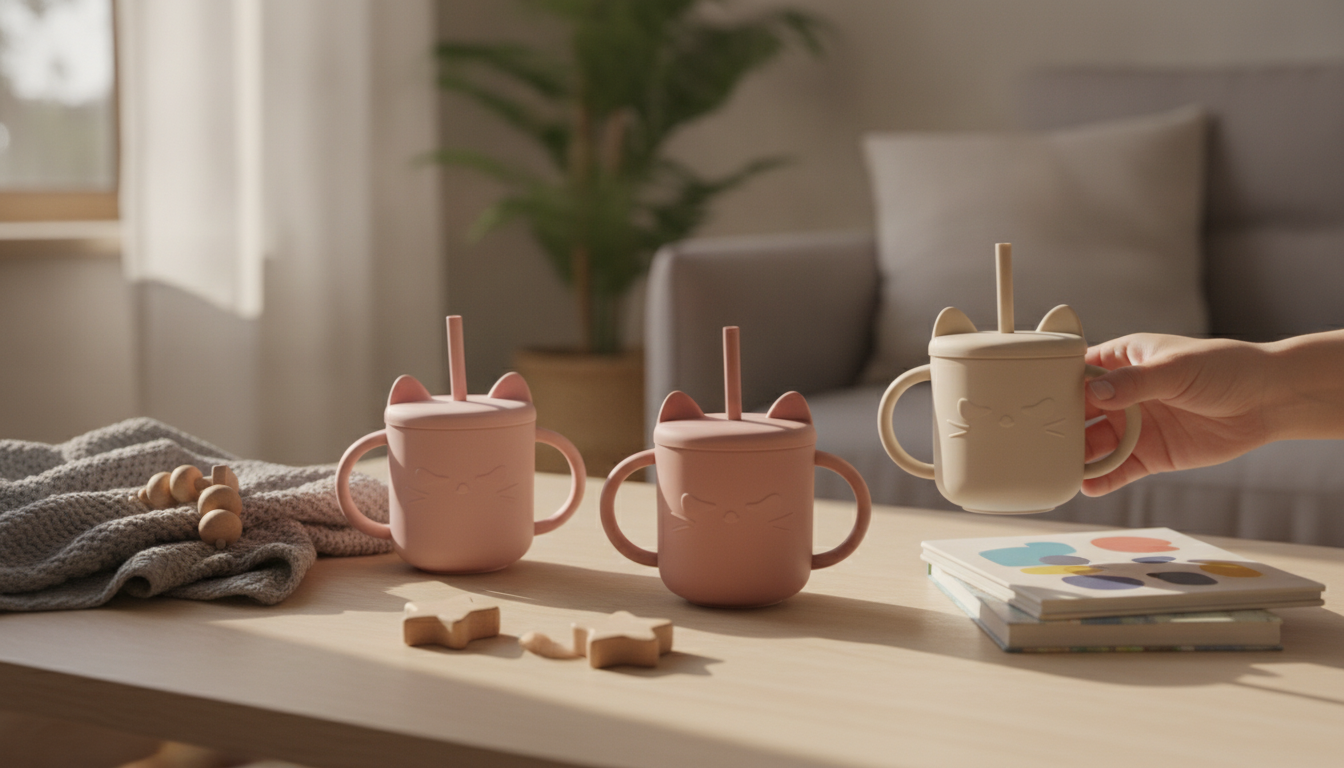
Baby Silicone Cat Lid Sippy Cup with Handles – BPA Free Toddler Drinking Cup
Transitioning from bottle to cup is a big milestone, and the right cup can make daily practice feel simpler and more comfortable. The Baby Silicone Cat Lid Sippy Cup with Handles is designed for toddlers learning to sip more independently, with a soft silicone body, easy-grip side handles, and a playful cat-themed lid that helps keep the top covered between drinks. It’s built for everyday routines at home, daycare, or on the go—supporting steadier sipping while keeping cleanup and care manageable. For more guidance, see Non-Toxic Sippy Cup & Water Bottle Guide – Gimme the Good Stuff.
What Makes This Sippy Cup Different
- All-silicone feel: A soft build can be gentler on gums and early teeth during the learning phase, especially for kids who like to chew or mouth the rim.
- Cat-lid design: The cute topper gives toddlers a fun “cue” that the cup is theirs, while also helping keep the drinking area more protected when it’s set down.
- Two side handles: Dual handles are sized for small hands so toddlers can practice two-handed control, which often reduces sudden tipping.
- BPA-free material choice: Many families prefer BPA-free feeding items to limit exposure to certain bisphenols from food-contact products. For background, see the FDA’s overview on BPA in food contact applications: https://www.fda.gov/food/food-additives-petitions/bisphenol-bpa-use-food-contact-application.
- Everyday drink flexibility: Suitable for water, milk, and other common toddler drinks (based on your family’s preferences and any guidance from a pediatric professional).
Materials and Safety Basics
Silicone is widely used in baby feeding items because it’s flexible, durable, and less likely to crack or chip than many rigid materials. That flexibility can also make the cup feel less “hard” during early practice—helpful when toddlers are still learning where to place the spout or rim and how far to tilt.
For day-to-day safety and comfort, it helps to keep a few basics in mind:
- Start with a first wash: New feeding products benefit from a thorough wash before first use to remove any manufacturing or packaging residue.
- Check mouthfeel and edges: Smooth surfaces and comfortable sipping can reduce frustration and encourage more practice.
- Use toddler-safe temperatures: If you ever offer warm liquids, confirm the temperature is safe before handing the cup over.
- Inspect regularly: Replace feeding items if you notice tears, warping, or damage that could affect function or cleanliness.
If you’re actively working on the bottle-to-cup transition, HealthyChildren.org (from the American Academy of Pediatrics) provides practical guidance here: https://www.healthychildren.org/English/ages-stages/baby/feeding-nutrition/Pages/From-Bottle-to-Cup.aspx.
Handles, Grip, and Independence
Handles aren’t just a cute add-on—they’re a skill-building feature. Dual handles support early coordination by giving toddlers two stable points to hold. That can help them learn the “tilt and sip” motion with fewer surprise spills.
- More stability during tilting: Two-handed sipping often reduces the quick wrist turns that cause dumping with handle-free cups.
- Comfortable grip for small hands: A soft-bodied cup can feel easier to hold compared with rigid cups that require a tighter grasp.
- Better practice habits: A consistent cup routine (same cup, same spot at meals) can help toddlers build confidence faster.
If your child prefers one hand, start with short sips and a lower fill level, then gradually add more liquid as control improves.
Cat Lid and Everyday Spill Control
The cat-themed lid does double duty: it adds personality kids love, and it helps keep the top covered when the cup is set down on a table, couch arm, stroller tray, or play mat. While no toddler cup can eliminate mess during learning, a few habits can improve everyday results:
Cleaning and Care That Keeps Silicone Fresh
Quick Feature Checklist
| Feature | Why it matters for toddlers | What to check when using |
|---|---|---|
| BPA-free materials | Supports families avoiding certain plastics in feeding | Confirm product labeling; replace if damaged |
| Soft silicone body | Gentler on gums and easier to grip | Inspect for tears; avoid sharp utensils during cleaning |
| Dual handles | Encourages independent drinking with more stability | Make sure handles are easy to grasp with small hands |
| Cat-themed lid | Adds fun and helps keep the top covered | Seat the lid fully; keep the drinking opening clear |
| Everyday spill reduction | Helps limit mess during practice | Use smaller fills early; transport upright when possible |
When This Cup Fits Best
Related Picks In Stock
- BPA Free Toddler Drinking Cup (the silicone cat-lid sippy cup with handles)
- Modern Abstract Face Storage Box for organizing small nursery items like bibs, pacifiers, and snacks
- 66W 5A Fast Charging Spring Retractable USB Type C Cable – For Car & On-the-Go for keeping devices charged during travel, errands, or daycare pickup
FAQ
Is a silicone sippy cup safe for toddlers?
Silicone is commonly used for baby feeding items because it’s flexible and durable, and many parents prefer BPA-free options for food-contact products. For best use, inspect the cup for damage, wash and sanitize as appropriate, and follow any included product care instructions.
How do handles help a toddler learn to drink from a cup?
Handles give toddlers a stable, two-handed grip that supports coordination and helps control the tilt angle while sipping. A practical approach is to start with small amounts of liquid so early spills are smaller while skills improve.
How can silicone cup odors be removed?
Wash thoroughly after each use (especially after milk or smoothies), let all parts dry fully, and sanitize periodically as recommended for silicone. If odors linger, a warm water soak with mild soap followed by a thorough rinse can help.
Recommended for you


Are Cave Beds Good for Cats? Benefits & Fit Tips
Jul 12, 2026













Leave a comment