-
Shop
- Advanced Technologies
- AI Career Advantage Collection
- Apple Accessories
- Bathroom
- Best Sellers
- Black Friday Sale
- Car Accessories
- Digital Products
- Digital Resources
- Fashion
- Furniture
- Gadgets
- Gift Ideas
- Health & Beauty
- Home
- Home & Garden
- Home Decor
- Home Electronics
- Home Supplies
- Independence Day
- Kitchen
- Lighting
- Mother’s Day
- Patio, Lawn & Garden
- Pet Supplies
- Pets
- Samsung Accessories
- Special Deals
- Sport & Outdoors
- Super Deals
- Travel & Outdoors
- Watches
- New arrivals
- Featured
Cat Grooming Gloves That Cut Shedding and Smooth Coats

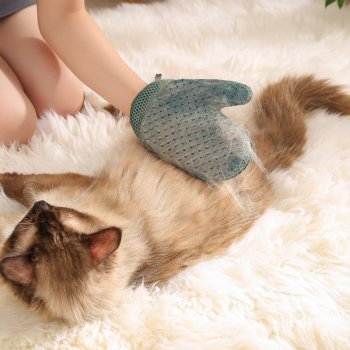
Cat Grooming Hair Removal Gloves: A Simple Way to Cut Shedding and Keep Coats Smooth
Loose fur builds up fast—on furniture, clothes, and in the coat itself. Grooming gloves combine gentle brushing with the familiarity of petting, helping lift shed hair while supporting a comfortable, low-stress routine for many cats. For households that deal with daily tumbleweeds of fluff (or a cat that runs from traditional brushes), a hair-removal glove can be an easy way to make grooming feel less like a chore and more like bonding time. For more guidance, see Surgical Site Preparation in Cats: Complete Guide – Sustainable Vet.
What Grooming Gloves Do (and When They Help Most)
Grooming gloves are designed to pick up loose hair with each stroke. Instead of bristles on a handle, you’re using your hand—so many cats perceive it as normal petting rather than a grooming “event.” For further reading, see Don’t Let Pet Hair Ruin Your Washer – Consumer Reports.
- Lift loose topcoat hair during normal petting motions, reducing fur transfer to home surfaces.
- Support coat smoothing by distributing natural skin oils along the hair shafts.
- Help catch fur before it mats, especially around friction areas like the chest, armpits, and behind the ears.
- Often useful for cats that dislike traditional brushes because the contact feels more like a hand.
- Most effective for light-to-moderate shedding; heavy undercoat may still need a comb or deshedding tool.
They’re especially handy for short-haired cats, kittens learning to tolerate handling, and skittish cats that only allow brief contact. For long-haired cats, gloves can be a solid “first pass” to gather surface shed, but they shouldn’t be the only tool used if tangles or mats are a possibility.
How to Use Hair Removal Gloves for the Best Results
A glove works best when the cat stays relaxed. The goal is to end sessions before irritation builds, so grooming remains predictable and positive.
- Start with short sessions (2–5 minutes) and stop before the cat becomes irritated—end on a calm note.
- Groom in the direction of hair growth first; use gentle circular motions only on areas the cat tolerates.
- Focus on high-shed zones: back, sides, and rump; be extra gentle around belly, legs, and tail.
- Use a calm setup: quiet room, stable surface, and treats to reinforce cooperation.
- Peel collected fur off the glove frequently so the glove keeps grabbing loose hair effectively.
- If static is an issue in dry weather, lightly mist the glove or coat with water (never soak) before grooming.
Quick comparison: grooming glove vs other common tools
| Tool | Best for | Pros | Limitations |
|---|---|---|---|
| Grooming glove | Routine shedding control; nervous cats | Feels like petting; easy to use; good for daily maintenance | Less effective on dense undercoat; may miss deep tangles |
| Slicker brush | Light tangles; general grooming | Good all-around tool; reaches more coat than a glove | Some cats dislike the feel; can irritate skin if used too firmly |
| Metal comb | Finishing; checking for mats/fleas | Excellent for detecting tangles and mats; precise | Slower; requires more cooperation |
| Deshedding tool | Heavy undercoat shedding | Removes large volumes of undercoat quickly | Can over-strip coat if overused; not ideal for sensitive cats |
Comfort and Safety: Keeping Skin and Coat Healthy
Even a “gentle” tool can cause problems if used too aggressively or too long. Think light contact, steady rhythm, and frequent breaks.
- Avoid pressure—gentle contact prevents skin irritation, especially for thin-coated or senior cats.
- Watch body language: tail flicking, skin twitching, pinned ears, and sudden turning can signal discomfort.
- Do not groom over open sores, rashes, or inflamed areas; consult a veterinarian if skin issues persist.
- For long-haired cats, use the glove as a first pass and follow with a comb to confirm no hidden mats remain.
- Limit intense deshedding during seasonal coat changes; frequent short sessions are typically better tolerated than long ones.
If you’re building a routine from scratch, the ASPCA’s grooming guidance is a helpful reference for handling and coat care basics: ASPCA: Cat Grooming Tips. For deeper background on coat health and grooming habits, Cornell’s feline health resources are also worth a read: Cornell Feline Health Center: Grooming.
Choosing the Right Grooming Glove
Not all gloves feel the same to a cat—or fit the same on your hand. A few practical details make a big difference in how effective (and easy) the glove is.
Everyday Uses Beyond Shedding Control
To keep your setup tidy, consider storing grooming tools in a dedicated container so the routine stays quick and consistent. A small organizer like the Modern Abstract Face Storage Box can help keep gloves, combs, nail clippers, and wipes in one place.
Product Option: Cat Grooming Hair Removal Gloves
If you want a simple tool that fits into daily life, Cat Grooming Hair Removal Gloves are designed to collect shed fur while petting, helping reduce loose hair on furniture and clothing. They’re a practical choice for regular maintenance sessions—especially for cats that resist rigid brushes—and they work well as part of a basic grooming kit alongside a metal comb for long-haired coats.
At-a-glance details
| Item | Price | Availability |
|---|---|---|
| Cat Grooming Hair Removal Gloves | 17.00 USD | In stock |
FAQ
Do grooming gloves work for long-haired cats?
Yes—grooming gloves are useful for daily loose-hair pickup and surface smoothing. For long-haired cats, follow with a metal comb to confirm there are no mats close to the skin.
How often should a cat be groomed with a hair removal glove?
Many cats do well with short daily or every-other-day sessions. Increase frequency during seasonal shedding, and reduce or pause if the skin becomes sensitive.
Can grooming gloves irritate a cat’s skin?
They can if used with too much pressure or over already irritated areas. Use gentle strokes, watch for redness or discomfort, and stop the session if your cat shows signs of stress.
Recommended for you


Wearing a Jumpsuit in Winter: Layering & Boots Guide
Jun 28, 2026
Cordless USB Desk Fan: 4 Speeds, 360° Aim, 10000mAh
Jul 11, 2026













Leave a comment