-
Shop
- Advanced Technologies
- AI Career Advantage Collection
- Apple Accessories
- Bathroom
- Best Sellers
- Black Friday Sale
- Car Accessories
- Digital Products
- Digital Resources
- Fashion
- Furniture
- Gadgets
- Gift Ideas
- Health & Beauty
- Home
- Home & Garden
- Home Decor
- Home Electronics
- Home Supplies
- Independence Day
- Kitchen
- Lighting
- Mother’s Day
- Patio, Lawn & Garden
- Pet Supplies
- Pets
- Samsung Accessories
- Special Deals
- Sport & Outdoors
- Super Deals
- Travel & Outdoors
- Watches
- New arrivals
- Featured
7-Driver Hybrid Hi-Fi IEMs: Fit, Tuning & Cable Tips

Hi‑Fi In‑Ear Monitors with a 7‑Driver Hybrid Setup and Silver‑Plated Cable
A 7‑driver hybrid in‑ear monitor (IEM) combines multiple driver types so bass, mids, and treble can be shaped with more precision than many single‑driver designs. The result, when tuned well, is a sound that stays controlled at higher volumes, separates instruments more clearly, and keeps vocals anchored even in dense mixes. Add a detachable silver‑plated cable and the everyday experience often improves through better handling, lower cable noise, and easier long‑term maintenance.
What a 7‑Driver Hybrid Design Is Meant to Do
Hybrids split the workload across different technologies. A common approach is a dynamic driver for low frequencies and balanced armatures (or other micro drivers) for mids and treble. This division of labor can reduce strain on any one driver, letting bass hit with authority while preserving midrange intelligibility and treble texture.
Driver count alone doesn’t guarantee performance. What matters is how the crossover is implemented and how acoustic chambers and vents are tuned. When the crossover is cohesive, transitions from bass to mids to treble sound seamless rather than “stitched together.”
When executed well, a multi‑driver hybrid can deliver tighter bass control at louder levels, clearer vocal placement, and a more layered soundstage. The main tradeoff is that hybrids can sound disjointed if the crossover isn’t well integrated—and fit becomes even more important because small seal leaks can dramatically alter bass response and tonal balance.
Sound Characteristics to Listen For
Listening tests can reveal whether the tuning matches personal preferences and whether the hybrid design feels coherent. Start with a good seal and moderate volume, then check a few consistent cues across familiar tracks.
Sub‑bass vs. mid‑bass balance
Sub‑bass adds depth and rumble; mid‑bass brings punch and warmth. With a proper seal, bass should feel present without bleeding into vocals. If bass disappears when you move your jaw or walk, the issue is often fit rather than the drivers themselves.
Midrange clarity
Vocals and guitars should sound centered and stable. Pay attention to “shout” (upper‑mid emphasis): voices may become forward and fatiguing as volume rises, especially on pop and rock.
Treble detail and control
Well‑tuned treble gives cymbals a crisp shimmer and reveals room ambience. If “s” and “t” sounds feel sharp or splashy, there may be an aggressive region around 6–8 kHz, or the seal may be too shallow, boosting perceived brightness.
Imaging, separation, and volume scaling
Hybrids often aim for precise placement and better separation in busy music. Test with layered tracks (EDM drops, rock choruses, orchestral crescendos). Detail should remain coherent as volume increases; if treble turns brittle quickly, a smoother source or a small EQ adjustment can help.
| What to test | What to listen for | If it sounds off |
|---|---|---|
| Bass sweep / kick drum | Bass extends without booming | Try deeper insertion or different tips for a tighter seal |
| Vocals (male/female) | Natural tone, no honk/shout | Use a warmer source or EQ a small dip around upper mids |
| Cymbals / hi-hats | Shimmer without splash or glare | Reduce volume slightly or EQ down treble peaks |
| Busy mixes | Layers stay separated | Check fit; consider foam tips for better isolation and stability |
Silver‑Plated Cable: Practical Impact
Silver‑plated cables are often discussed for sound, but the most reliable day‑to‑day benefits tend to be practical: flexibility, connector fit, and reduced cable noise. A well‑built cable with good strain relief helps prevent intermittent dropouts and extends the usable life of the IEM.
Microphonics (the rustling sound transmitted when the cable rubs clothing) can be minimized by wearing the cable over‑ear, using the included cinch if available, and choosing a cable that drapes softly rather than springing back. Detachable cables are also a real advantage for long‑term ownership: if a plug wears out, it can be replaced without discarding the earphones.
Before buying, confirm the connector type (such as 2‑pin or MMCX) and ensure the connectors seat securely. For storage, avoid tight coils; loosely loop the cable and keep plugs clean to reduce crackle over time.
Fit, Tips, and Isolation
Pairing With Phones, Dongles, and DAPs
Balanced outputs can add headroom on some devices, but the benefit is device‑dependent; it’s best treated as an option rather than a guaranteed upgrade. For personalization, light EQ (1–3 dB changes) can refine a bass shelf or reduce treble peaks without flattening the character. For safe listening habits, keep long sessions at reasonable levels; guidance from NIOSH noise and hearing loss prevention is a solid reference point.
For measurement and engineering context, standards and research bodies such as IEC 60268-7 and the Audio Engineering Society (AES) publications database provide deeper technical background on headphones/earphones and audio evaluation.
Featured In‑Stock Picks
- Hi‑Fi In‑Ear Monitors with 7‑Driver Hybrid Setup and Silver‑Plated Cable — a multi‑driver hybrid option designed for layered detail and controlled bass.
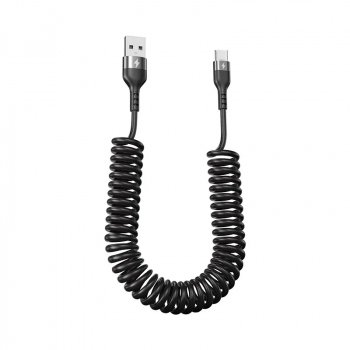
- 66W 5A Fast Charging Spring Retractable USB Type C Cable – For Car & On-the-Go — a handy accessory for powering a phone and compact dongle setup during travel.
- Modern Abstract Face Storage Box — a simple way to keep tips, adapters, and small audio accessories organized on a desk.
What to Check Before Buying
FAQ
Do more drivers always mean better sound?
No. Driver count is only one ingredient; crossover design, tuning, and fit determine whether the sound is coherent, balanced, and detailed.
Will a silver‑plated cable change the sound?
Any audible change is usually small compared with tips, seal, and overall tuning. The more consistent benefits are practical—handling, lower microphonics, connector reliability, and easier replacement.
How can bass be improved if the sound feels thin?
Start by improving the seal with a different tip size or deeper insertion, then try foam tips for more consistent bass. If needed, add a small bass shelf with EQ rather than pushing volume.















Leave a comment