-
Shop
- Advanced Technologies
- AI Career Advantage Collection
- Apple Accessories
- Bathroom
- Best Sellers
- Black Friday Sale
- Car Accessories
- Digital Products
- Digital Resources
- Fashion
- Furniture
- Gadgets
- Gift Ideas
- Health & Beauty
- Home
- Home & Garden
- Home Decor
- Home Electronics
- Home Supplies
- Independence Day
- Kitchen
- Lighting
- Mother’s Day
- Patio, Lawn & Garden
- Pet Supplies
- Pets
- Samsung Accessories
- Special Deals
- Sport & Outdoors
- Super Deals
- Travel & Outdoors
- Watches
- New arrivals
- Featured
Boar Bristle Brush Dust: Causes and Easy Fixes
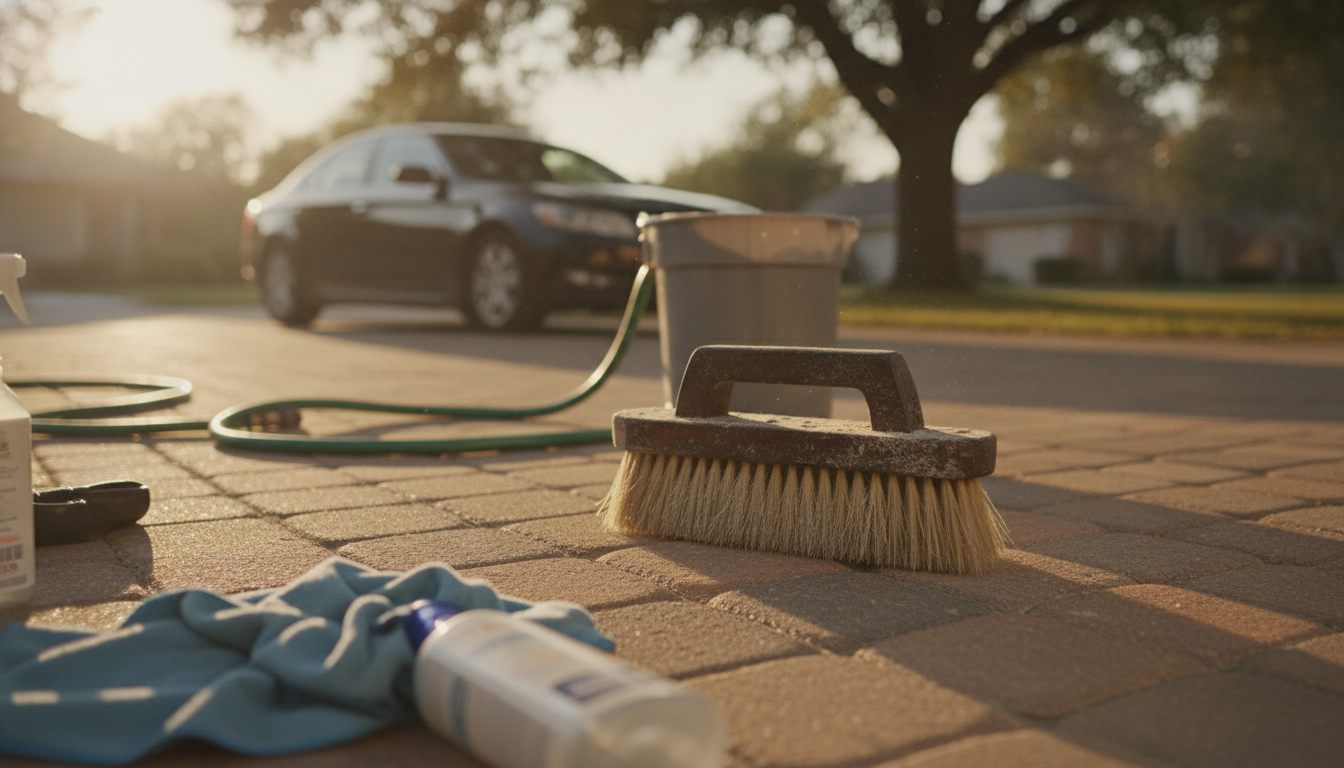
Why does my boar bristle brush get so dusty?
A boar bristle brush can look “dusty” surprisingly fast because it’s designed to grab and redistribute what’s already on your hair. The bristles pick up natural oils (sebum), tiny bits of shed skin, leftover styling product, and everyday lint—then those particles cling to the brush and combine into a light gray or beige fuzz that resembles dust.
It’s usually a mix of oil + buildup + lint
Boar bristles are slightly textured, which helps them smooth hair and spread oils from roots to ends. That same texture also traps fine debris. If you use dry shampoo, hairspray, mousse, or leave-in products, those residues act like “glue,” making fibers from towels, sweaters, pillowcases, and even indoor dust stick more readily.
Your environment can make it worse
Low humidity, carpeted rooms, pets, and static-heavy fabrics can increase airborne lint and static cling, so your brush collects more particles between cleanings. Brushing on dry hair can also create static that attracts dust and fibers.
How to reduce the dusty look
Start by removing hair after every use with a comb or brush-cleaning tool. Then, do a deeper clean weekly or biweekly: swish only the bristles (not the wooden cushion/base) in lukewarm water with a small amount of gentle shampoo, rinse, and lay it bristle-side down to dry. Avoid soaking the entire brush, which can loosen the pad or crack wood over time.
If you want a more detailed walkthrough and extra maintenance tips, visit the full guide here.
For Boar Bristle Brush Dust: Causes and Easy Fixes, the best answer depends on fit, material, care instructions, and how the product will be used day to day.
FAQ
How do I clean a boar bristle brush without damaging it?
Remove trapped hair first, then wash only the bristles in lukewarm water with a small amount of gentle shampoo, keeping the handle and base as dry as possible. Rinse well and dry bristle-side down so moisture doesn’t seep into the cushion or wood.
Recommended for you

Calm Paws Recovery Vest: Cone Alternative for Dogs
Jul 19, 2026













Leave a comment