-
Shop
- Advanced Technologies
- AI Career Advantage Collection
- Apple Accessories
- Bathroom
- Best Sellers
- Black Friday Sale
- Car Accessories
- Digital Products
- Digital Resources
- Fashion
- Furniture
- Gadgets
- Gift Ideas
- Health & Beauty
- Home
- Home & Garden
- Home Decor
- Home Electronics
- Home Supplies
- Independence Day
- Kitchen
- Lighting
- Mother’s Day
- Patio, Lawn & Garden
- Pet Supplies
- Pets
- Samsung Accessories
- Special Deals
- Sport & Outdoors
- Super Deals
- Travel & Outdoors
- Watches
- New arrivals
- Featured
Leather vs Genuine Leather: Which Should You Buy?
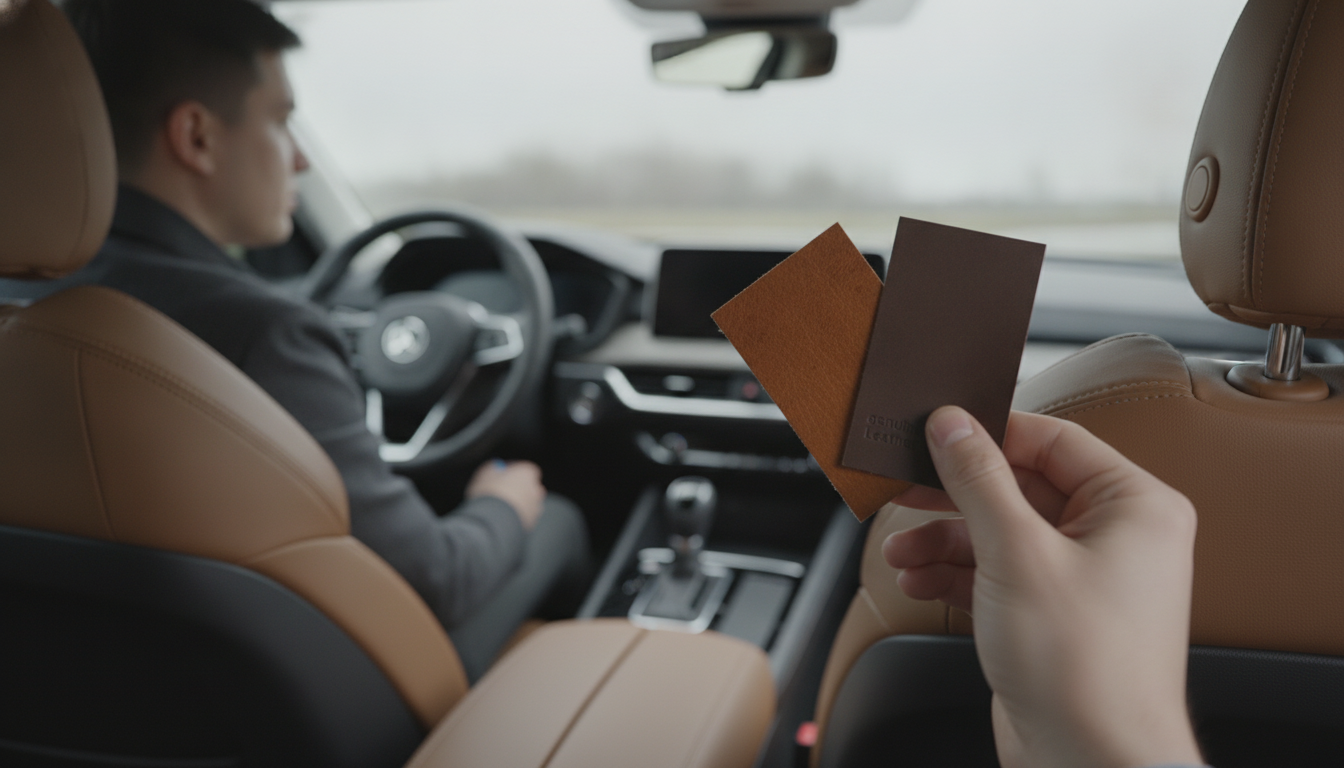
Which is better, leather or genuine leather?
“Leather” is the better choice in most cases—mainly because it’s a broader, more transparent term. “Leather” can describe a range of quality levels, but it often comes with clearer grade labels (like full-grain or top-grain) that help you understand what you’re buying. “Genuine leather,” on the other hand, is a specific industry label that typically signals a lower grade made from leftover layers of the hide, often with heavier finishing to create a uniform look.
What “leather” usually means
When a product is described simply as leather, it could be anything from premium full-grain to more processed splits—so you still need details. However, sellers who offer higher-quality items often specify the type: full-grain (most durable, develops a rich patina), top-grain (smooth, durable, slightly more processed), or split leather (lower layer, less robust).
What “genuine leather” usually means
Despite sounding premium, “genuine leather” is commonly used for entry-level leather goods. It’s real leather, but it’s usually not the strongest or longest-lasting option. Expect a more consistent surface, fewer natural markings, and a finish that may wear down faster with heavy use.
How to choose between them
If durability, aging, and long-term value matter, look for full-grain or top-grain leather and avoid listings that only say “genuine leather” without additional detail. If your priority is a lower price and you’re okay with more noticeable wear over time, genuine leather can still be a practical pick.
For a deeper breakdown of leather types and what to look for on product pages, visit https://emerchantoutlet.com/which-is-better-leather-or-genuine-leather/.
For Leather vs Genuine Leather: Which Should You Buy?, the best answer depends on fit, material, care instructions, and how the product will be used day to day.
FAQ
How can you tell if something is full-grain leather?
Full-grain leather usually shows natural variation like pores or subtle scars and isn’t perfectly uniform. Product descriptions often state “full-grain,” and the material tends to feel thicker and develop a patina rather than peeling or flaking.
Recommended for you
Will a USB Rechargeable Fan Damage Your Power Bank?
Jul 21, 2026
Bad Credit Car Loan Approval: Step-by-Step Plan
Jul 22, 2026










Leave a comment