-
Shop
- Advanced Technologies
- AI Career Advantage Collection
- Apple Accessories
- Bathroom
- Best Sellers
- Black Friday Sale
- Car Accessories
- Digital Products
- Digital Resources
- Fashion
- Furniture
- Gadgets
- Gift Ideas
- Health & Beauty
- Home
- Home & Garden
- Home Decor
- Home Electronics
- Home Supplies
- Independence Day
- Kitchen
- Lighting
- Mother’s Day
- Patio, Lawn & Garden
- Pet Supplies
- Pets
- Samsung Accessories
- Special Deals
- Sport & Outdoors
- Super Deals
- Travel & Outdoors
- Watches
- New arrivals
- Featured
European Ceramics Types: Earthenware to Bone China
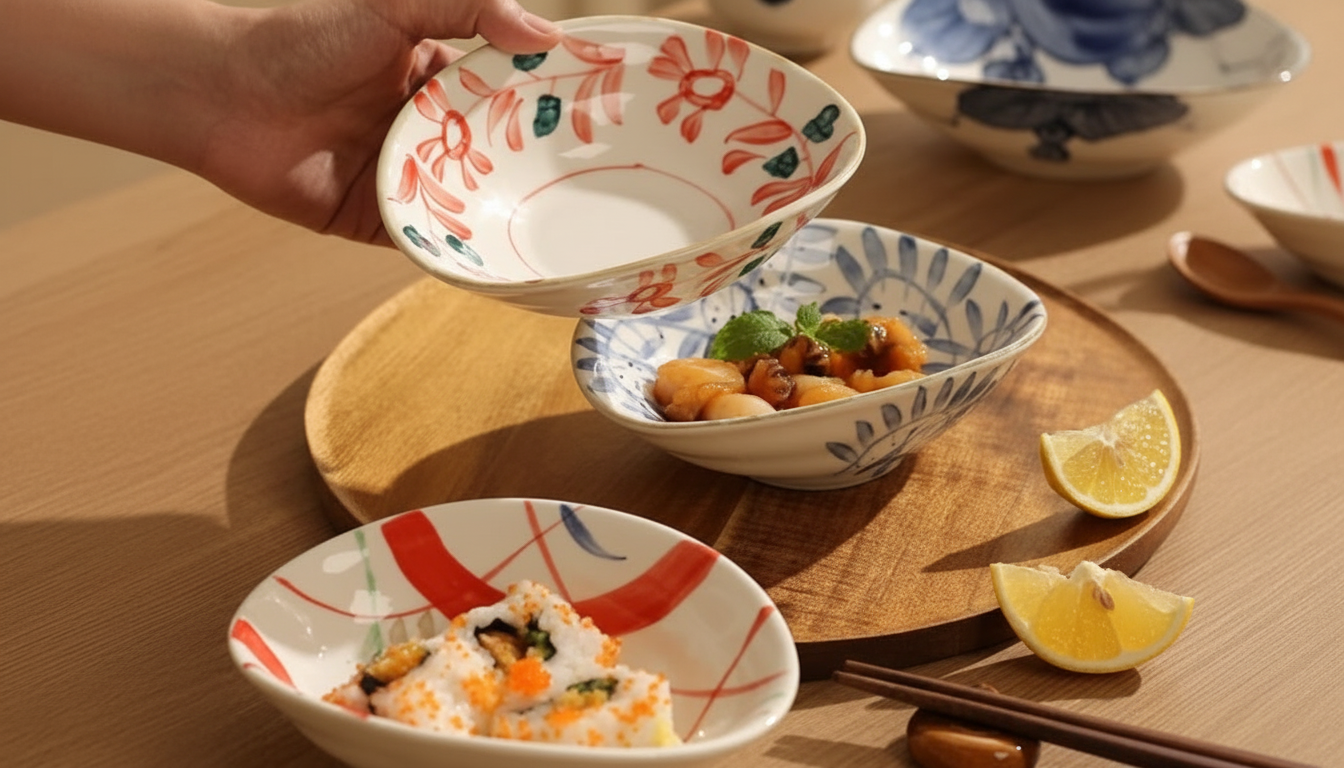
What are the main types of European ceramics?
European ceramics are typically grouped by the clay body and firing method that determine durability, translucency, and everyday use. Across workshops from England to Italy and France to Germany, a few core categories show up again and again, each with its own look and best purpose.
Earthenware
Earthenware is one of the oldest and most common European ceramic types. It’s fired at lower temperatures, which makes it more porous and usually thicker than other wares. Many pieces are glazed to make them more water-resistant. You’ll often see earthenware in rustic tableware, decorative bowls, and traditional regional styles.
Stoneware
Stoneware is fired hotter than earthenware, creating a denser, tougher body that’s far less porous. It’s a practical choice for everyday mugs, plates, and serving pieces because it handles regular use well. European stoneware can range from simple, matte finishes to richly glazed designs.
Porcelain
Porcelain is known for its refined surface and, in many cases, translucency. It’s made from very pure clay (commonly kaolin) and fired at high temperatures, producing a hard, smooth ceramic that can feel lighter and more delicate than stoneware while still being strong. European porcelain traditions include both minimalist white forms and elaborate painted or gilded patterns.
Bone china
Bone china is closely related to porcelain but includes bone ash in the body. That addition can increase whiteness and translucency while maintaining impressive strength for its thin profile. It’s frequently chosen for formal place settings, tea services, and special-occasion dinnerware.
Faience and majolica
These are generally tin-glazed or brightly glazed earthenwares associated with distinctive European decorative traditions. Faience is often recognized by its opaque white glaze that supports colorful painted designs, while majolica is known for vivid glazes and bold ornamentation. They’re popular for statement pieces, display items, and heritage-style servingware.
For a deeper breakdown of these categories and how to recognize them when shopping, visit the main guide to the main types of European ceramics.
FAQ
How can you tell porcelain from stoneware?
Porcelain is typically smoother, finer, and may be slightly translucent when held up to light, while stoneware is more opaque and often feels heavier or more substantial. Maker’s marks and product descriptions can also confirm the clay body.
Recommended for you

S&P 500 Index Fund Made Easy: Beginner Steps
Jul 15, 2026









Leave a comment