-
Shop
- Advanced Technologies
- AI Career Advantage Collection
- Apple Accessories
- Bathroom
- Best Sellers
- Black Friday Sale
- Car Accessories
- Digital Products
- Digital Resources
- Fashion
- Furniture
- Gadgets
- Gift Ideas
- Health & Beauty
- Home
- Home & Garden
- Home Decor
- Home Electronics
- Home Supplies
- Independence Day
- Kitchen
- Lighting
- Mother’s Day
- Patio, Lawn & Garden
- Pet Supplies
- Pets
- Samsung Accessories
- Special Deals
- Sport & Outdoors
- Super Deals
- Travel & Outdoors
- Watches
- New arrivals
- Featured
Weekender Duffle Bag Guide: Pack Smart for 1–3 Nights
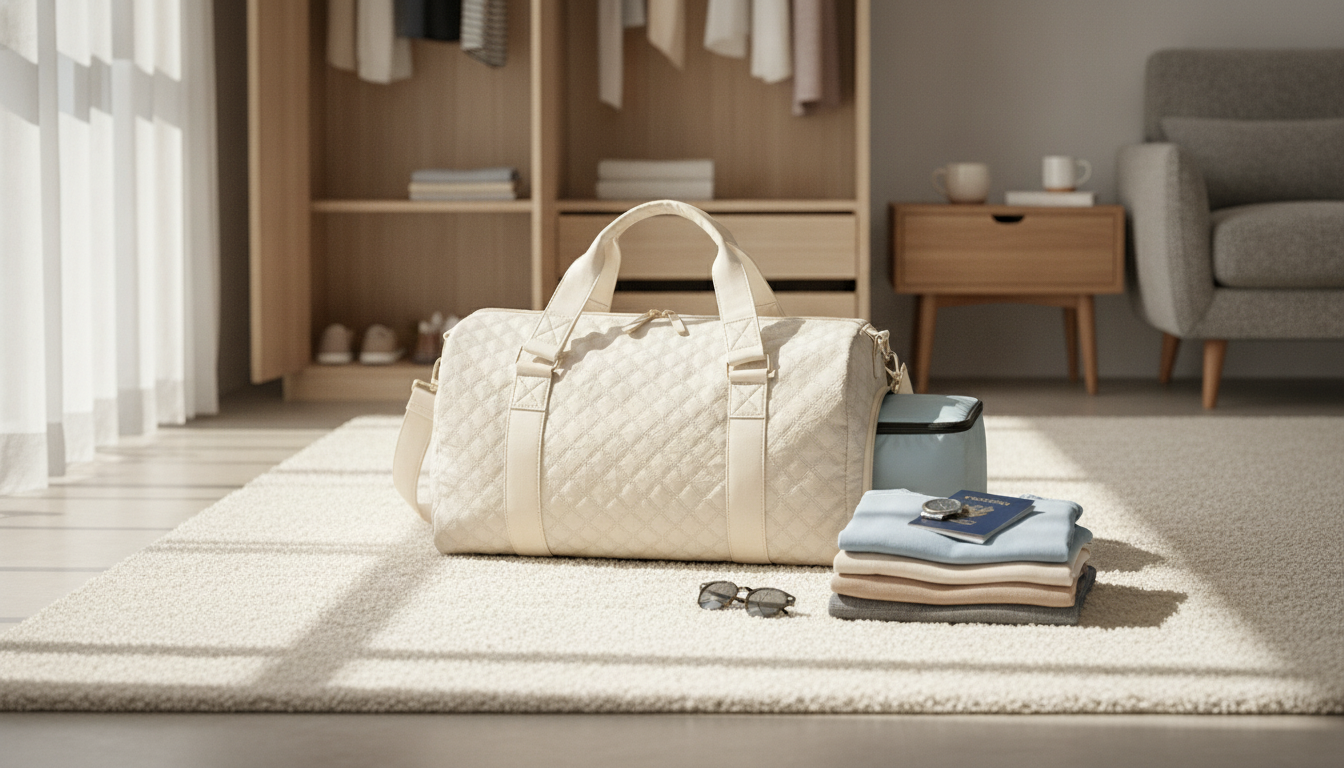
Weekender Duffle Bag for Quick Getaways and Everyday Carry
A dependable weekender duffle should be easy to grab, comfortable to carry, and sized to fit the essentials for an overnight trip, gym session, or short business stay. This guide breaks down what matters most—capacity, carry options, organization, and care—so packing stays simple and the bag stays ready for the next plan.
What a Weekender Duffle Does Best
- Fits a focused loadout for 1–3 days without the bulk of rolling luggage.
- Works across use cases: overnight trips, gym, work-to-weekend transitions, and road trips.
- Quick access and a flexible shape make it easy to stash in a trunk or overhead bin (size rules vary by airline).
If you like to travel light, a duffle’s “open cavity” packing style can be faster than a structured suitcase—especially when plans change and you need to repack in minutes. For a simple, grab-and-go option, start with a Weekender Duffle Bag that’s roomy enough for a couple outfits, but still easy to carry through parking lots, hotel lobbies, and train platforms.
Highlights That Matter Day to Day
Comfortable carry
Look for sturdy top handles for quick grabs and a longer strap option for hands-free movement. A duffle that rides close to the body is easier to manage on stairs and less likely to bump into people in busy terminals.
Reliable closure
A secure main opening matters more than it sounds—especially when the bag is packed full and you’re lifting it into a trunk or overhead space. Prioritize closures that hold tension well so the opening stays shut even when the bag is stuffed.
Organization that matches real-life packing
The best weekender duffles balance one main compartment for bulky items with smaller areas for the essentials you reach for often: keys, charger, wallet, sunglasses, and toiletries. Consistent pocket placement reduces “bag rummaging” when you’re checking in or boarding.
Materials, stitching, and scuff resistance
Frequent handling adds up—seat backs, trunk edges, under-bed storage, gym floors. Strong seams, reinforced stress points, and a fabric that tolerates rubbing and minor scuffs help a bag keep its shape and look presentable longer.
Base and structure
A slightly reinforced bottom protects contents and helps the bag stand more predictably when you set it down. Structure also helps when packing shoes or toiletry pouches so the bag doesn’t sag and swing as much while carrying.
Packing Plan for 1–3 Nights
A weekender works best with a “capsule” approach—fewer pieces that all mix and match. Start with your outfit plan, then add essentials. The goal is a stable, balanced load that doesn’t pull on one shoulder.
- Start with a capsule of mix-and-match clothing to reduce volume.
- Use a dedicated pouch for toiletries to prevent leaks.
- Keep chargers, earbuds, and small valuables in a consistent pocket so they’re easy to find.
- Place heavier items (shoes, toiletries) at the bottom to help balance the carry.
Simple Weekender Packing Checklist
| Category | What to Pack | Tip |
|---|---|---|
| Clothing | 2–3 tops, 1–2 bottoms, underwear/socks, sleepwear | Choose pieces that all pair together |
| Shoes | 1 pair (plus workout shoes if needed) | Use a shoe bag or separate compartment if available |
| Toiletries | Toothbrush, travel-size liquids, deodorant, grooming items | Pack liquids in a leak-proof pouch |
| Tech | Phone charger, cable, power bank (optional) | Keep in an easy-access pocket |
| Extras | Water bottle, sunglasses, light jacket | Put the jacket on top for quick grabs |
For everyday carry that turns into a spontaneous overnight, it helps to keep one small “always-ready” kit packed (cable, wipes, mini deodorant). A compact option like a 66W fast charging retractable USB Type‑C cable reduces tangles and keeps your most-used device topped up without digging through the main compartment.
Carry-On and Travel Practicalities
- Airline carry-on limits differ; check the carrier’s posted size rules before flying.
- Soft-sided duffles can be more forgiving in tight spaces, but overpacking can make them harder to stow.
- If traveling with liquids, follow current screening guidance for carry-on bags.
- For road trips, keep the duffle accessible with a small kit (snacks, cable, wipes) in a top pocket.
For liquids in carry-ons, the most dependable starting point is the Transportation Security Administration (TSA) liquids rule. For broader packing safety (including batteries and restricted items), review the FAA PackSafe travel tips before you head to the airport.
Care and Longevity
Good Pairings for a Smoother Trip
For a clean, ready-to-wear change on short trips, a simple accessory like a Men’s genuine leather belt with classic pin buckle can instantly sharpen an outfit without adding bulk. Between weekends, consider keeping your “travel kit” (toiletry pouch, spare charger, small grooming items) in a dedicated container like the Modern Abstract Face Storage Box so it’s easy to grab when plans come up fast.
FAQ
What size duffle works best for a weekend trip?
Aim for a duffle that fits 1–3 days of clothing plus toiletries without forcing you to overpack. Softer bags can compress for storage and squeeze into tighter spaces, but carry-on size rules vary by airline, so check your carrier’s limits before flying.
How should a weekender duffle be packed to stay comfortable to carry?
Put heavier items low and centered (shoes and toiletries), then use pouches to keep smaller items from shifting. Keep frequently used essentials in quick-access pockets, and avoid overpacking so the bag doesn’t tug hard on one shoulder.
How do you clean and store a duffle bag between trips?
Empty it completely, shake out grit, and spot clean with mild soap as appropriate for the fabric. Let it air dry fully, then store it in a dry place lightly stuffed so it holds its shape.
Recommended for you
Foldable Cotton Storage Basket for Laundry & Toys
Jul 12, 2026











Leave a comment