-
Shop
- Advanced Technologies
- AI Career Advantage Collection
- Apple Accessories
- Bathroom
- Best Sellers
- Black Friday Sale
- Car Accessories
- Digital Products
- Digital Resources
- Fashion
- Furniture
- Gadgets
- Gift Ideas
- Health & Beauty
- Home
- Home & Garden
- Home Decor
- Home Electronics
- Home Supplies
- Independence Day
- Kitchen
- Lighting
- Mother’s Day
- Patio, Lawn & Garden
- Pet Supplies
- Pets
- Samsung Accessories
- Special Deals
- Sport & Outdoors
- Super Deals
- Travel & Outdoors
- Watches
- New arrivals
- Featured
Hanging Dog Bowl for Crates: Height, Setup & Care
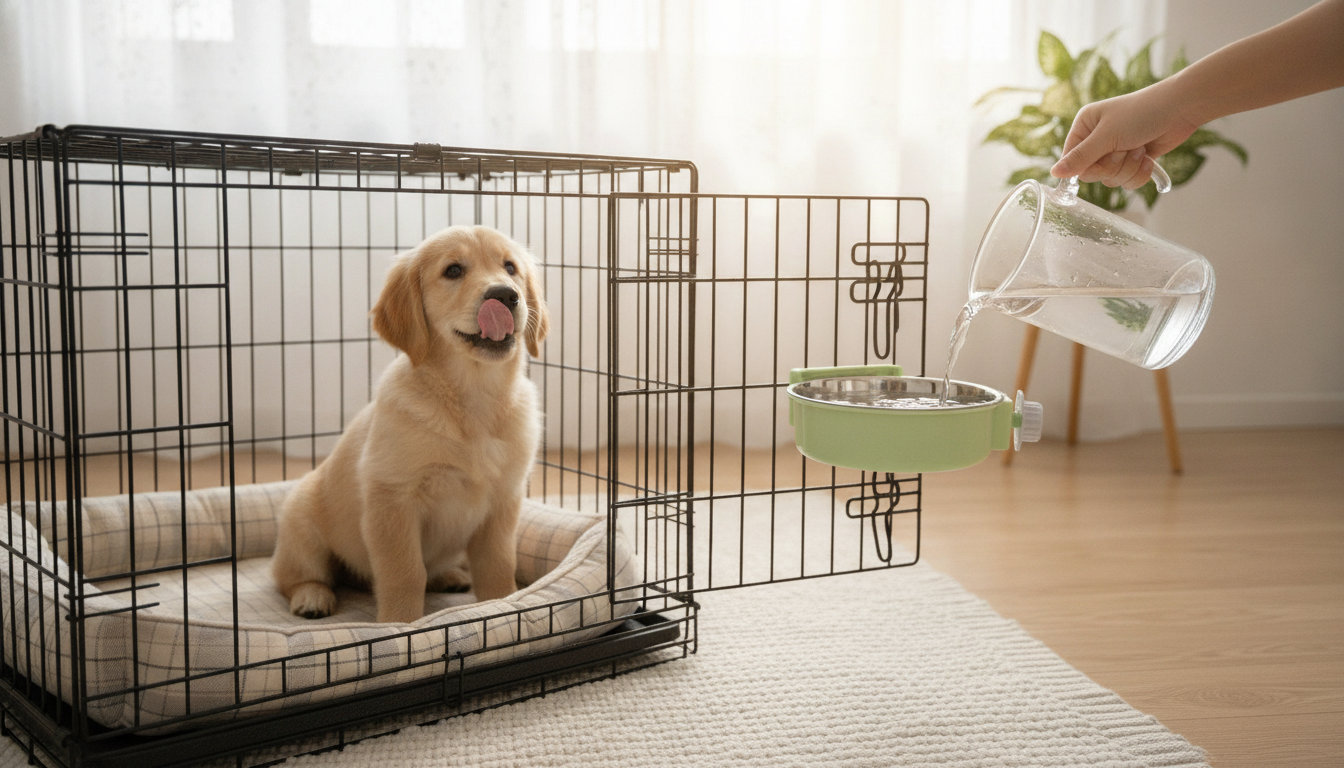
Hanging Dog Bowl for Crate Doors, Kennels, and Small Spaces
A hanging dog bowl keeps food and water off the floor and within easy reach—especially useful for crates, kennels, grooming areas, and tight feeding stations. Instead of a dish that skates around or ends up under bedding, a secure hanger creates a predictable spot for meals and hydration. Below are the practical places it works best, how to choose a comfortable height, and the everyday care and safety checks that help prevent spills and rattling.
What a Hanging Dog Bowl Does Best
- Attaches to crate doors, wire panels, kennel fencing, or similar structures to keep the bowl elevated.
- Reduces the chance of bowls being pushed, flipped, or dragged across the floor.
- Helps keep bedding drier by limiting slosh and floor-level spills.
- Creates a consistent feeding location for routine and training.
Where It’s Most Useful
- Crate feeding for dogs that tip floor bowls or step into their water.
- Kennels and runs where bowls need to be secured to fencing.
- Grooming or bathing areas where a temporary, elevated water station helps.
- Apartments and small homes where keeping floors clean is a priority.
Choosing the Right Height and Placement
- Set the bowl so the dog can eat or drink without stretching up or crouching low; aim for a natural neck position.
- For crate doors, place the bowl where the dog can reach comfortably without pinching paws or noses in the door wires.
- Keep water bowls away from bedding edges to reduce damp blankets.
- For multi-dog spaces, separate feeding points to reduce guarding and crowding.
A quick way to fine-tune placement is to hang the empty bowl, let your dog approach naturally, and watch the posture. If the dog’s neck cranes upward or the front legs splay wide to reach, lower the bowl slightly. If the dog has to tuck down sharply, raise it one rung or wire level. Small adjustments can make daily use noticeably calmer—especially in crates where space is limited.
Material and Build Details to Look For
- Bowl material that’s easy to sanitize and resistant to odors (commonly stainless steel or durable plastic, depending on the model).
- A stable bracket or hanger that sits flush against the crate/fence to reduce wobble.
- Smooth edges and secure locking points to prevent scratching and accidental detachment.
- A design that allows quick removal for washing without tools.
If your dog is a determined nudger, prioritize a mount with a firm locking mechanism and minimal play between the bracket and the wire. The steadier the connection, the less noise you’ll hear and the less likely the bowl is to slosh during enthusiastic drinking.
Comparison: Hanging vs. Other Bowl Setups
No single setup is perfect for every home. The best choice depends on your space, your dog’s habits, and how you prefer to clean. The chart below highlights the day-to-day differences.
| Setup type | Best for | Trade-offs |
|---|---|---|
| Hanging bowl | Crates, kennels, spill-prone dogs, small spaces | Needs a compatible panel/door; must be checked for tightness |
| Floor bowl | Open feeding areas, quick setup | Slides, tips, and can be stepped in |
| Raised stand | Some dogs that benefit from elevated posture in open areas | Takes floor space; can still spill; less useful inside crates |
Setup and Daily Use Tips
- Test-fit the hanger on the crate/fence before adding food or water.
- Tighten and re-check after the first few uses; vibration and nudging can loosen hardware.
- Use water to do a quick “shake test” and confirm minimal rattling and no slipping.
- For enthusiastic eaters, start with smaller servings to confirm stability before full meals.
For crate doors that swing open, confirm the bowl position doesn’t interfere with the door latch or cause the door to catch when you open it. If your dog tends to paw at the door, choose a placement that keeps toes from slipping between wires near the bracket.
Cleaning and Hygiene
- Wash food bowls after each meal; refresh and clean water bowls daily.
- Remove the bowl fully for cleaning rather than wiping in place when possible.
- Dry the bracket area to avoid moisture buildup on crate coatings.
- Replace any worn parts if the bowl starts wobbling or developing cracks.
For general food safety habits—like washing hands after handling pet food and keeping scoops and storage containers clean—see the FDA’s guidance on safe handling of pet food. For broader feeding and nutrition fundamentals, the AVMA’s pet care resources are a solid reference point.
Safety Checks and Common Issues
Product Options for Small-Space Feeding
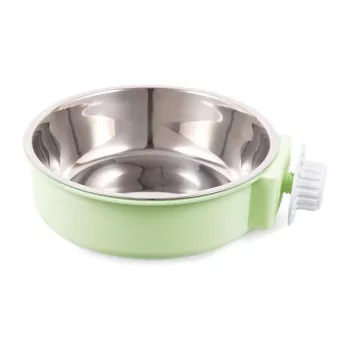
- Hanging Dog Bowl: a space-saving feeding and watering option designed to attach to compatible crate doors or kennel panels. It’s best suited for keeping bowls off the floor and reducing mess in contained areas. Check compatibility with the spacing and thickness of the crate or fence before ordering.
- Modern Abstract Face Storage Box: a handy way to keep small pet essentials organized in a tight space—think treats, measuring cups, waste bags, grooming wipes, or feeding accessories you want near the crate without adding clutter.
FAQ
Can a hanging dog bowl be used inside a crate?
Yes, as long as the crate has compatible wire spacing and the bowl mounts securely. Place it at a comfortable height and confirm the door still opens and closes freely without bumping the bowl.
How high should a hanging dog bowl be mounted?
Mount it so your dog can eat and drink with a neutral neck position—no stretching upward or crouching. Adjust one level at a time until your dog approaches the bowl naturally and comfortably.
How do you stop a hanging dog bowl from rattling?
Make sure the mount is fully tightened and sitting flush against a stable wire segment. If it still makes noise, reposition the bracket slightly and re-check tightness after a few uses.
Recommended for you
Weekender Duffle on a Plane: Overhead vs Under-Seat
Jun 27, 2026









Leave a comment