-
Shop
- Advanced Technologies
- AI Career Advantage Collection
- Apple Accessories
- Bathroom
- Best Sellers
- Black Friday Sale
- Car Accessories
- Digital Products
- Digital Resources
- Fashion
- Furniture
- Gadgets
- Gift Ideas
- Health & Beauty
- Home
- Home & Garden
- Home Decor
- Home Electronics
- Home Supplies
- Independence Day
- Kitchen
- Lighting
- Mother’s Day
- Patio, Lawn & Garden
- Pet Supplies
- Pets
- Samsung Accessories
- Special Deals
- Sport & Outdoors
- Super Deals
- Travel & Outdoors
- Watches
- New arrivals
- Featured
DIY Embroidered Patches for Shirts: Make, Edge, Attach
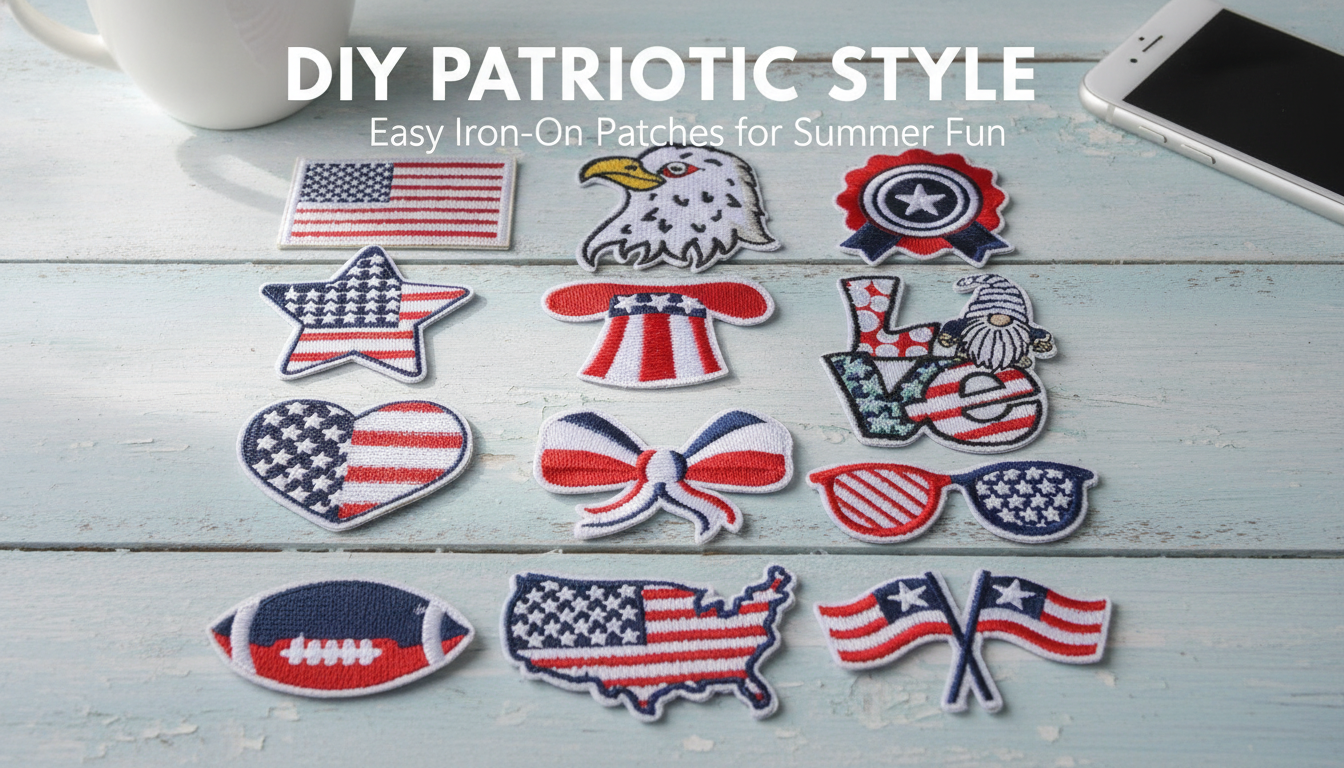
How to make embroidered patches for shirts?
Making embroidered patches for shirts comes down to three parts: creating a clean stitch design, turning it into a patch with a finished edge, and attaching it securely to fabric that will be washed and worn. You can do it with an embroidery machine (fast and consistent) or by hand (slower but flexible). Either way, the goal is a stable patch that won’t fray or pucker your shirt.
1) Choose your design and materials
Start with a simple design with bold lines and limited tiny details so stitches don’t merge. Use sturdy patch fabric like twill or felt, embroidery thread, and a stabilizer (cut-away stabilizer is common for patches). If you plan to iron the patch on, pick a quality heat-activated adhesive backing; if you plan to sew it on, you can skip adhesive.
2) Stitch the patch
Hoop the stabilizer and patch fabric together. Stitch the design, then add a dense border stitch (often a satin stitch) around the outside edge to lock threads in place and create a finished look. Keep the border wide enough to hide minor trimming variations.
3) Cut and seal the edges
Trim close to the border stitch with sharp scissors. For synthetic fabrics, carefully heat-seal the edge to reduce fraying; for natural fabrics, use a fray-block liquid sparingly on the back edge. Your border stitch does most of the work, but sealing helps patches survive repeated laundering.
4) Attach the patch to your shirt
For iron-on patches, preheat the shirt area, place the patch, cover with a pressing cloth, and press firmly using the backing’s recommended time/temperature. For extra durability—especially on stretchy tees—add a few hand stitches or a quick machine stitch around the edge. For sew-on patches, pin in place and stitch around the border with a tight zigzag or straight stitch near the edge.
For patch ideas and DIY inspiration, see this guide: https://emerchantoutlet.com/guide-12-patriotic-iron-on-flag-eagle-embroidered-patches-diy/.
FAQ
Do embroidered patches need to be sewn on if they’re iron-on?
Not always, but sewing is recommended for long-term wear and frequent washing. A few stitches around the edge helps prevent lifting at corners and improves durability on flexible shirt fabric.














Leave a comment