-
Shop
- Advanced Technologies
- AI Career Advantage Collection
- Apple Accessories
- Bathroom
- Best Sellers
- Black Friday Sale
- Car Accessories
- Digital Products
- Digital Resources
- Fashion
- Furniture
- Gadgets
- Gift Ideas
- Health & Beauty
- Home
- Home & Garden
- Home Decor
- Home Electronics
- Home Supplies
- Independence Day
- Kitchen
- Lighting
- Mother’s Day
- Patio, Lawn & Garden
- Pet Supplies
- Pets
- Samsung Accessories
- Special Deals
- Sport & Outdoors
- Super Deals
- Travel & Outdoors
- Watches
- New arrivals
- Featured
Men’s Genuine Leather Belt: Fit, Style & Care Guide
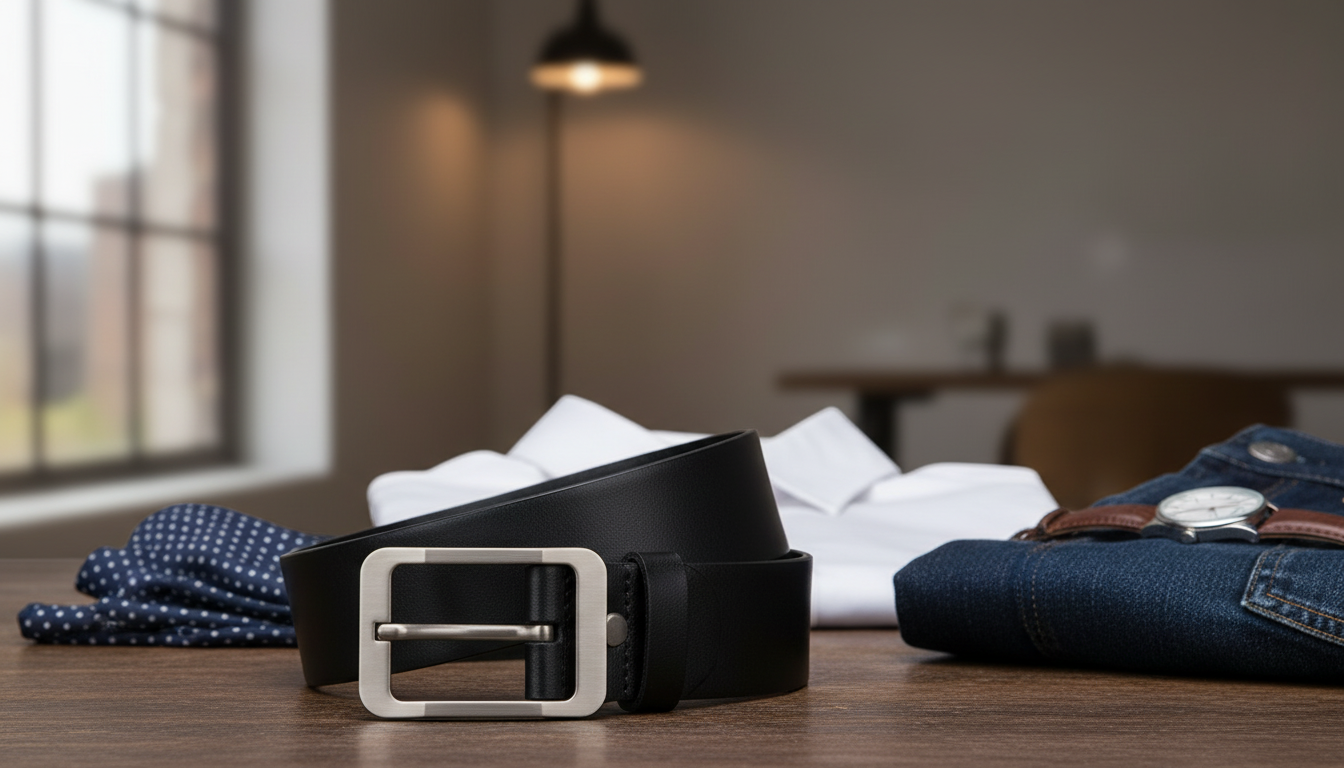
Men’s Genuine Leather Belt: Everyday Durability with a Clean, Classic Finish
A genuine leather belt is one of the most-used pieces in a wardrobe—expected to hold shape, look sharp, and improve with wear. The right belt should feel supportive without being stiff, sit cleanly through belt loops, and look equally at home with denim or dress pants. Below are the practical details that matter most: what to look for, how to size it, how to style it, and simple care habits that help a leather belt stay dependable for the long haul.
What Makes a Genuine Leather Belt Worth Buying
Leather feel and structure
A good everyday belt should feel firm and substantial in-hand, not papery or overly spongy. Consistent thickness helps the belt feed smoothly through belt loops and reduces rolling at the edges, while a clean edge finish makes the strap look tidy even after months of wear.
Buckle hardware that stays put
The buckle is the stress point—pulled, tugged, and re-fastened daily. Look for solid metal hardware and secure attachment points so the buckle doesn’t twist, loosen, or wobble over time. A stable buckle also keeps the belt line straight across the front of the waist, which makes outfits look more polished.
Finish and versatility
The most wearable belts are the ones that don’t compete with the rest of your outfit. A simple, classic strap paired with a straightforward buckle works with jeans, chinos, and dress pants without looking out of place. It’s also easier to coordinate with shoes and a watch when the belt’s finish is clean and understated.
Comfort over long wear
Leather that breaks in gradually tends to become more comfortable while maintaining support. Over time, it should conform slightly to your shape without stretching to the point where you’re forced onto the tightest hole just to keep your pants sitting right.
Quick Look: Men’s Genuine Leather Belt
If you want a belt that can live in your daily rotation, the Men’s Genuine Leather Belt is designed for repeat wear—workdays, weekends, and any time a clean belt line matters. The classic look pairs easily with common shoe finishes and watch hardware, and it also makes a practical gift when you confirm sizing first.
| Item | Details |
|---|---|
| Product | Men’s Genuine Leather Belt |
| Price | $26.00 USD |
| Availability | In stock |
| Product page | View product |
Getting the Right Size and Fit
Use a belt you already wear (most accurate)
Lay your current belt flat and measure from the base of the buckle (where the leather folds around it) to the hole you use most often. That measurement is a reliable target size because it reflects how you actually wear your pants—rise, belt loop spacing, and preferred tension included.
If you’re going by pants size
As a general rule, many belts fit best when sized about 1–2 inches larger than the labeled waist size, but that can vary with brand and pant rise. If you’re between sizes, prioritize a fit that lands near the middle holes rather than maxing out one end of the range.
Aim for the middle hole
The “best” fit typically buckles on the center hole. That gives you room to loosen after a big meal, tighten if your pants stretch, or adjust when switching from lightweight chinos to thicker denim.
Plan for thickness and belt loops
Thicker leather can feel snug in tighter belt loops, especially on some dress pants. If you regularly rotate between tailored trousers and jeans, confirm your narrowest belt loops will accommodate the strap thickness for a smooth, fuss-free fit.
| If your waist/pants size is… | Common belt size range to try | Fit check |
|---|---|---|
| 30–32 | 32–34 | Buckle comfortably on the middle hole |
| 33–36 | 36–38 | Tail end extends a few inches past first belt loop |
| 37–40 | 40–42 | No pinching at the hips when sitting |
How to Style a Leather Belt for Casual and Dress
Match the belt’s “read” to the outfit
Coordinate metals for a pulled-together finish
Coordinate leather color with shoes
Keep the strap line clean
Care and Maintenance to Help Leather Last
Rotate wear to reduce stretching
Wipe after use
Condition occasionally (lightly)
Avoid heat and soaking
Store without sharp bends
For more detail on leather labeling and guidance, see the Federal Trade Commission Leather Guides. For background on how leather is produced and why it behaves the way it does, Encyclopaedia Britannica’s overview of leather is a helpful reference.
Common Belt Problems (and How to Avoid Them)
Warping or curling
Cracking near holes
Loose buckle or wobble
Surface scuffs
Another Option for a Different Look
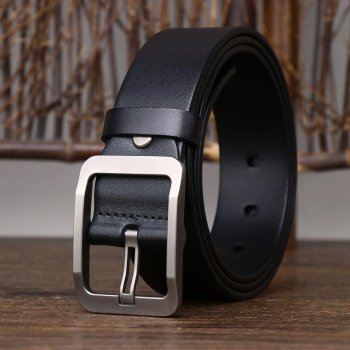
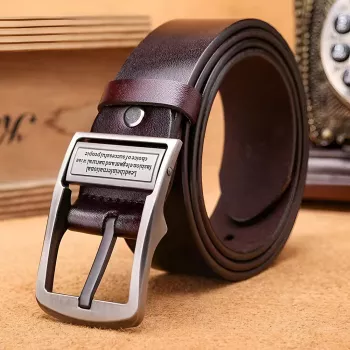
If you want a slightly different style profile, consider the Men’s Genuine Leather Belt with Classic Metal Pin Buckle – Casual & Dress. A classic pin buckle can skew casual or dress depending on the strap finish and what you pair it with, making it a flexible choice for mixed wardrobes.
FAQ
How should a leather belt fit?
Aim to buckle on the middle hole with comfortable tension when standing and sitting. The tail end should extend a few inches past the first belt loop without being excessively long.
How do you clean and condition a genuine leather belt?
Wipe it with a dry cloth after wear, or use a slightly damp cloth for grime, then air-dry naturally. Apply a small amount of leather conditioner occasionally (after testing first) and avoid harsh detergents or soaking the belt in water.
How can you tell if a belt is real leather or imitation?
Real leather usually has natural grain variation, a more organic scent, and creases that look less uniform than synthetics. Check the edges and underside for material consistency, and confirm the product labeling or material disclosures for the most reliable answer.











Leave a comment