-
Shop
- Advanced Technologies
- AI Career Advantage Collection
- Apple Accessories
- Bathroom
- Best Sellers
- Black Friday Sale
- Car Accessories
- Digital Products
- Digital Resources
- Fashion
- Furniture
- Gadgets
- Gift Ideas
- Health & Beauty
- Home
- Home & Garden
- Home Decor
- Home Electronics
- Home Supplies
- Independence Day
- Kitchen
- Lighting
- Mother’s Day
- Patio, Lawn & Garden
- Pet Supplies
- Pets
- Samsung Accessories
- Special Deals
- Sport & Outdoors
- Super Deals
- Travel & Outdoors
- Watches
- New arrivals
- Featured
Cotton Muslin Baby Blanket: Breathable Softness Daily
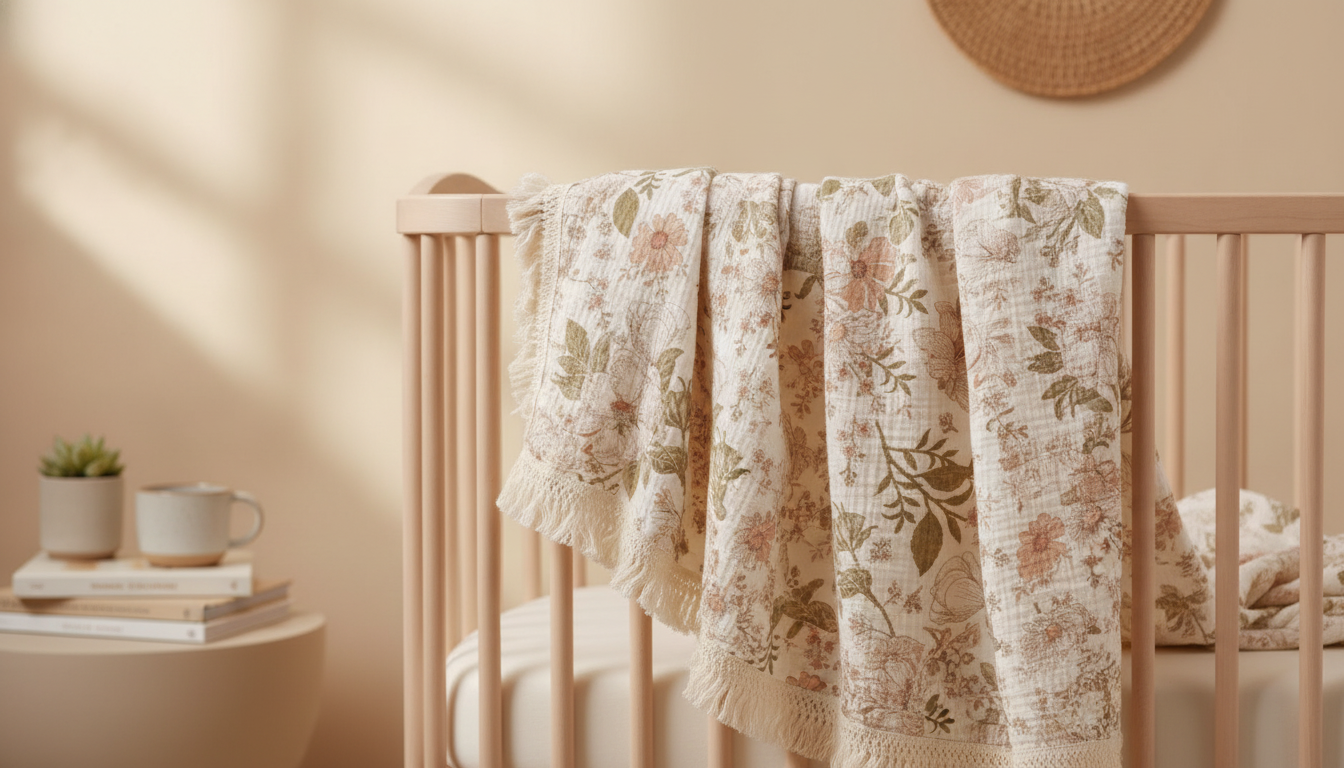
Cotton Muslin Baby Blanket: Soft, Breathable Comfort for Everyday Use
A cotton muslin baby blanket is a lightweight essential designed for comfort across changing temperatures and daily routines. Its airy weave helps reduce overheating risk during supervised use while staying soft enough for sensitive skin. From newborn snuggles to stroller outings and floor play, muslin is the kind of simple staple that earns a permanent spot in the daily rotation.
What Makes Cotton Muslin Different
Muslin stands out because it balances softness and airflow in a way that works well for many everyday baby moments. The fabric’s structure is part of the appeal—muslin is typically woven with a more open, breathable construction than many heavier blanket materials.
- Breathable open weave: Encourages airflow during warm days and also layers easily in cooler rooms.
- Soft hand-feel: Often becomes even gentler after repeated washes, making it a friendly option for sensitive skin.
- Lightweight drape: Easy to fold around baby for quick comfort, nursing coverage, or simple on-the-go coziness.
- Everyday practicality: Packs down small in a diaper bag and handles frequent laundering with the right care.
Comfort for Newborns and Growing Babies
Babies change quickly, and a muslin blanket can keep up with those shifts—from the early days when skin is especially delicate to toddlerhood, when comfort items become part of soothing routines.
- Gentle for newborn skin: A soft layer for supervised cuddles, contact naps, and calm-down time.
- Breathable comfort: Helpful for stroller walks and quiet-time routines without feeling bulky.
- Longer-lasting usefulness: Many families keep muslin blankets in use well past the nursery years as a familiar comfort layer.
Everyday Ways to Use a Muslin Blanket
One reason muslin blankets stay in steady rotation is that they multitask. A single blanket can cover several needs throughout the day—especially when you’re moving between rooms or heading out.
- Supervised wrap or cuddle blanket: Ideal during feedings, bonding time, and post-bath snuggles.
- Light stroller or car-seat cover: Can provide shade or block mild wind—ensure plenty of airflow and never cover tightly.
- Playmat layer: Spread it over a clean surface for tummy time or floor play to add a softer barrier.
- Burp cloth alternative: Offers larger coverage during spit-ups—especially helpful over shoulders, laps, or stroller straps.
- Travel blanket: Packable for diaper bag use and handy for supervised naps on the go.
Sleep and Safety Notes
Muslin blankets are versatile, but sleep safety always comes first. For guidance, consult trusted resources like the American Academy of Pediatrics (AAP) safe sleep recommendations and the U.S. Consumer Product Safety Commission (CPSC) safe sleep guidance.
- Follow safe sleep guidance: Babies should sleep on a firm, flat surface with no loose blankets in the sleep space unless advised otherwise by a pediatric clinician.
- Choose wearable warmth: For sleep, wearable blankets/sleep sacks are often preferred over loose bedding.
- Keep airways clear: If using a muslin blanket as a cover or wrap during awake time, keep baby’s face and nose uncovered and monitor breathing and temperature.
- Stop swaddling when rolling begins: Discontinue swaddling once signs of rolling appear and confirm timing with a pediatric professional.
Care and Washing Tips to Keep It Soft
Muslin is designed for frequent use, and a few simple habits can help maintain softness, absorbency, and durability over time.
- Wash before first use: Helps remove residual lint or packaging dust and starts the softening process.
- Use mild detergent: Fragrance-free options can be gentler for sensitive skin.
- Skip heavy fabric softeners: They can reduce absorbency; an extra rinse cycle is often a better option.
- Dry with care: Tumble dry low or line dry; high heat can increase shrinkage and wear fibers faster.
- Inspect regularly: Trim loose threads and check seams after frequent washes to keep the blanket in good condition.
Quick Product Snapshot
If you’re building a practical, everyday baby essentials lineup, a muslin blanket is an easy add—useful at home and simple to pack for outings. For nursery organization and gifting needs, pairing textiles with a storage solution can also help keep daily routines smoother.
| Detail | Value |
|---|---|
| Product | Cotton Muslin Baby Blanket |
| Price | $17.00 USD |
| Availability | In stock |
| Extra pick | Modern Abstract Face Storage Box |
Choosing the Right Muslin Blanket for Your Needs
Not all muslin blankets feel exactly the same. A quick check of a few details can help you choose a blanket that matches how it’ll be used most often.
- Weave and weight: Lighter weaves maximize airflow; slightly heavier muslin can feel cozier for layering in cooler spaces.
- Size and coverage: Pick a size that suits your main purpose—wraps and nursing coverage benefit from more fabric, while stroller and travel use may favor easier foldability.
- Edge finishing: Neatly stitched hems and reinforced edges tend to hold up better through frequent washing.
- Skin sensitivity: Breathable cotton and gentle laundering practices can help reduce irritation for babies with sensitive skin.
- Multipack vs. single: If the blanket will double as a burp cloth or everyday comfort layer, having more than one can make laundry days less stressful.
FAQ
Is a cotton muslin blanket warm enough for a baby?
Cotton muslin is usually lightweight and breathable, so warmth depends on room temperature and whether you’re layering. For sleep, follow safe sleep guidance and consider a wearable blanket instead of loose bedding for warmth.
How often should a baby muslin blanket be washed?
Wash before first use, then as often as needed based on how it’s used—daily if it’s catching spit-up or used during feedings, and otherwise when soiled. Mild detergent and low-heat drying can help preserve softness over time.
Can a muslin blanket be used for swaddling?
Some muslin blankets can work for supervised swaddling if the size is appropriate, but baby’s face must stay uncovered. Stop swaddling once your baby shows signs of rolling and confirm timing with your pediatric professional.
Recommended for you



S&P 500 Index Fund Made Easy: Beginner Steps
Jul 15, 2026













Leave a comment