-
Shop
- Advanced Technologies
- AI Career Advantage Collection
- Apple Accessories
- Bathroom
- Best Sellers
- Black Friday Sale
- Car Accessories
- Digital Products
- Digital Resources
- Fashion
- Furniture
- Gadgets
- Gift Ideas
- Health & Beauty
- Home
- Home & Garden
- Home Decor
- Home Electronics
- Home Supplies
- Independence Day
- Kitchen
- Lighting
- Mother’s Day
- Patio, Lawn & Garden
- Pet Supplies
- Pets
- Samsung Accessories
- Special Deals
- Sport & Outdoors
- Super Deals
- Travel & Outdoors
- Watches
- New arrivals
- Featured
Wooden Montessori Word Puzzle for Early Reading (Screen-Free)
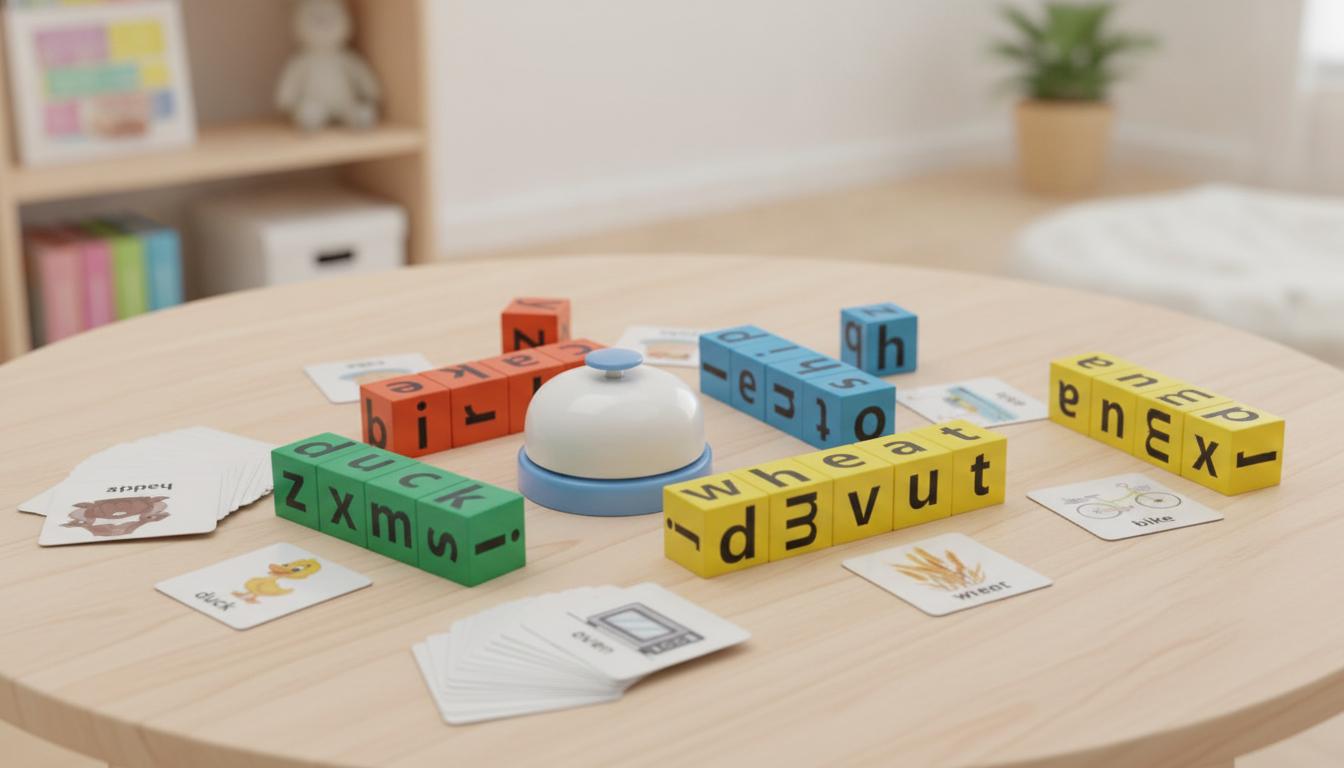
Children’s Wooden Montessori Word Puzzle: A Screen-Free Way to Build Early Reading Skills
A wooden word puzzle can turn early literacy into hands-on play—helping kids connect letters, sounds, and simple words while strengthening focus and fine-motor control. Montessori-style materials are especially useful because they invite children to repeat the same skill in a purposeful, satisfying way: pick up a piece, place it with care, check the result, and try again. For many families, that “practice without pressure” is the sweet spot for building early reading readiness at home, in preschool routines, or during quiet-time activities.
Screen-free play also supports steady attention and real-world coordination—two skills that matter for school readiness and daily independence. For broader context on early learning development, the American Academy of Pediatrics’ guidance on school readiness and the CDC’s developmental milestones are helpful references for what children typically practice as they grow.
What This Montessori Word Puzzle Helps Kids Practice
- Letter recognition through repeated, tactile interaction with pieces
- Phonics basics by pairing sounds with letter shapes in simple word-building
- Vocabulary growth as children form and say words out loud during play
- Fine-motor development by grasping, placing, and aligning wooden pieces
- Attention and patience through structured, self-correcting puzzle play
- Confidence from completing words independently and redoing them for mastery
Because each attempt has a clear “done” moment, kids can stay motivated without needing constant rewards. That repeated loop—choose letters, build, read, reset—supports automaticity over time, which is a key foundation for fluent reading later on.
Why Wooden, Hands-On Learning Works Well
- Screen-free activity that supports calmer, longer play sessions
- Tactile feedback can improve memory and engagement compared with purely digital practice
- Wooden pieces are typically easier for small hands to grip than paper flashcards
- Open-ended use: spell, sort by letter, match colors (if applicable), or make simple games
- Durability for repeated practice across siblings or classroom groups
Many Montessori-at-home routines emphasize independence and control of error—children can see and feel when something doesn’t fit, and then adjust. The American Montessori Society’s Montessori at Home resources offer practical ideas for keeping learning materials accessible and child-led.
Age Range and Skill Fit
- Works best for preschool and early elementary learners who are starting letter sounds and simple word formation
- Helpful for children who benefit from hands-on repetition and clear start-to-finish tasks
- For younger toddlers, adult-led play can focus on naming letters, colors, or pictures (if included) rather than spelling
- For more advanced readers, increase challenge by timing rounds, adding new words, or practicing word families (e.g., -at, -an, -it)
A simple way to gauge readiness: if a child can attend for 3–5 minutes, imitate a short sound sequence, and enjoy fitting pieces into place, they’re likely ready to benefit—especially with short, upbeat sessions that end before frustration builds.
Simple Ways to Use It at Home or in the Classroom
- Sound-first routine: say the word slowly, clap sounds, then build it with letters
- Three-step play: copy a word, read it aloud, then rebuild it without looking
- Word-family practice: keep the ending the same and swap the first letter to form new words
- “Find the letter” warm-up: ask for a target letter and let the child locate it quickly
- Partner play: one person says a word and the other builds it; switch roles
For children who get stuck, try reducing the load instead of increasing help: offer just two or three letter choices, or start by building the first sound together and letting them finish the rest. Small supports keep the work “theirs,” which is where the confidence grows.
Quick Comparison: Learning Outcomes and How to Support Them
Short, frequent practice tends to work better than long drills. Keep sessions light, and treat mistakes as useful information (not failure). When a child can correct themselves, it strengthens both learning and independence.
| Skill | What to watch for | Adult prompt that supports independence |
|---|---|---|
| Letter recognition | Confusing similar letters (b/d, p/q) | “Trace it with your finger—what sound does it make?” |
| Phonics blending | Saying letter names but not sounds | “Let’s say the sounds slowly and push them together.” |
| Spelling simple words | Skipping a sound in the middle | “What sound do you hear after the first one?” |
| Fine-motor control | Frustration aligning pieces | “Try turning it slightly—does it fit better now?” |
| Attention and focus | Rushing and guessing | “Build it, point to each letter, then read it.” |
Safety, Materials, and Care Tips
When This Makes a Great Gift
In-Stock Picks to Build a Screen-Free Literacy Corner
- Children’s Wooden Montessori Word Puzzle – Fun & Educational Learning Toy — a hands-on way to practice letters, sounds, and simple word-building.
- Modern Abstract Face Storage Box — a stylish place to keep puzzle pieces together and make cleanup part of the routine.
FAQ
What age is a Montessori word puzzle best for?
It’s typically a strong fit for preschool through early elementary ages, especially when children are learning letter sounds and beginning to form simple words. Younger toddlers can still enjoy it with adult supervision by focusing on naming letters and practicing gentle placement rather than spelling.
How can this puzzle support early reading?
It helps children connect letter shapes with sounds, then blend those sounds into short words through repetition and self-correction. Try building simple CVC words (like consonant-vowel-consonant patterns) and practicing word families by keeping the ending the same while changing the first letter.
How should wooden learning puzzles be cleaned and stored?
Wipe wooden pieces with a lightly damp cloth, dry them right away, and avoid soaking to prevent warping. Store everything together in a dedicated bag or box and regularly check for wear or damage before play.
Recommended for you

Handheld Massager for Cellulite: What to Expect
Jul 14, 2026













Leave a comment