-
Shop
- Advanced Technologies
- AI Career Advantage Collection
- Apple Accessories
- Bathroom
- Best Sellers
- Black Friday Sale
- Car Accessories
- Digital Products
- Digital Resources
- Fashion
- Furniture
- Gadgets
- Gift Ideas
- Health & Beauty
- Home
- Home & Garden
- Home Decor
- Home Electronics
- Home Supplies
- Independence Day
- Kitchen
- Lighting
- Mother’s Day
- Patio, Lawn & Garden
- Pet Supplies
- Pets
- Samsung Accessories
- Special Deals
- Sport & Outdoors
- Super Deals
- Travel & Outdoors
- Watches
- New arrivals
- Featured
5-Pack Waterproof Silicone Baby Bibs for Easy Cleanup
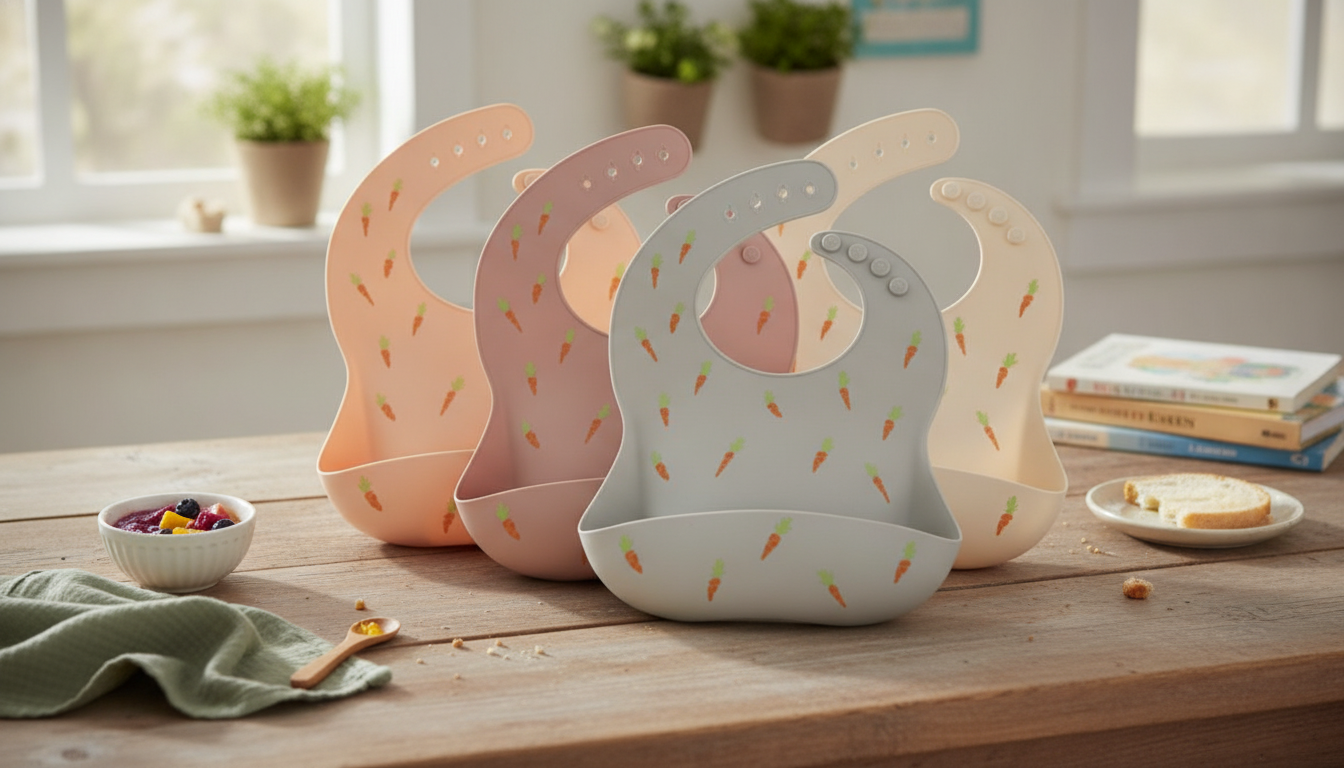
5-Pack Waterproof Silicone Baby Bibs: Everyday Mealtime Protection That Cleans Up Fast
A silicone bib set can simplify messy solids, snacks, and self-feeding practice. A 5-pack waterproof silicone bib bundle is designed for repeat use, quick wipe-downs, and fewer “we’re out of clean bibs” moments—especially during the stage when purées, yogurt, and finger foods seem to end up everywhere except the mouth. For more guidance, see [PDF] DESIGN GUIDELINES & STANDARDS MANUAL.
If you’re building a practical mealtime routine, the details that matter most are fit (so the bib sits comfortably and catches spills), easy cleaning (so odors don’t linger), and having enough bibs to rotate through daycare, travel, and multiple meals in a day. For further reading, see Many Companies Market Alternatives for Products that Contain PFAS.
Why a 5-pack makes sense for daily feeding
Feeding schedules are repetitive; messes are not. A multi-pack gives you flexibility without constant laundry.
- Backups where you actually need them: keep one in a daycare bag, one at grandparents’ house, and one in the car seat or stroller for surprise snack stops.
- Fewer emergency washes: babies can go through multiple outfits and bibs in a day, especially during teething and early solids.
- Simple rotation: one can be drying while another is packed for travel, so you’re not stuck waiting on a single bib.
- Consistent design across the set: same sizing and closure style reduces fuss at mealtime—handy when you’re getting out the door.
What waterproof silicone bibs help with (and what they don’t)
Silicone bibs are built for messy eating, but it helps to be clear about their role.
- They help shield clothing from purées, oatmeal, yogurt, sauces, and drool during heavy teething days.
- Pocket designs can reduce floor cleanup: many silicone bibs include a built-in pocket that catches crumbs before they hit laps and high-chair footrests.
- They’re travel-friendly: waterproof material wipes quickly in restaurants, airplanes, or parks when you don’t want to deal with stained cloth.
- They don’t replace safe feeding practices: a bib won’t prevent choking and shouldn’t be relied on to control food size, pace, or supervision. For feeding basics and safety guidance, see the CDC’s Infant and Toddler Nutrition and the American Academy of Pediatrics’ starting solids information.
Product snapshot
A 5-bib bundle is a practical pick for repeated use and fast cleanup between meals—especially during messy solids and the self-feeding phase where spills are frequent. It also pairs well with wipeable high-chair setups and stroller snack time.
| Item | Details |
|---|---|
| Product | 5-Pack Waterproof Silicone Baby Bibs |
| Price | $34.00 USD |
| Availability | In stock |
| Pack size | 5 bibs |
| Product page | https://emerchantoutlet.com/5-pack-waterproof-silicone-baby-bibs__trashed/ |
Fit and comfort: getting the bib to sit right
Comfort is what determines whether a bib gets tolerated or tugged off. A few fit checks go a long way:
- Prioritize adjustability over age labels: the neck closure range matters more than the number on the package. Aim for a fit that lies flat without pinching.
- Balance quick on/off with coverage: a wider neck opening can be more comfortable for fast changes, while smaller adjustments can reduce gaps where thin liquids drip through.
- Check the pocket position: the pocket should sit above the lap so it catches crumbs. Too high can push toward the throat; too low won’t catch much.
- Look for smooth edges and flexible silicone: softer, rounded edges tend to move with turning and reaching instead of rubbing the neck and shoulders.
Cleaning and care that keeps silicone in good shape
Silicone is low-fuss, but routine care helps prevent residue buildup and “mystery smells.”
- Rinse soon after sticky foods: yogurt, nut butters, and sauces are easier to remove before they dry.
- Wash with mild soap and warm water: pay attention to seams, closure holes, and pocket folds where residue can hide.
- For lingering odors: soak briefly, then scrub gently with a soft sponge. Avoid harsh abrasives that can scuff the surface.
- Dry fully before stacking or packing: trapped moisture can cause musty smells—especially if bibs are stored in a sealed diaper bag pocket.
- If dishwasher guidance isn’t listed: hand-washing is the safest default. (If you’re curious about the broader topic of materials used in food contact items, the FDA overview of food contact substances is a helpful starting point.)
When silicone bibs are especially useful
Safety and practical use notes
Helpful add-ons to keep mealtime routines organized
- 5-Pack Waterproof Silicone Baby Bibs: a rotation-ready set for daily feeding and quick cleanup.
- Modern Abstract Face Storage Box: a simple way to store clean bibs, wipes, and small feeding essentials in a dedicated spot.
- 66W 5A Fast Charging Spring Retractable USB Type C Cable – For Car & On-the-Go: useful for charging a phone during travel meals (timers, notes, and hands-free help), without a tangled cable in the diaper bag.
FAQ
Can silicone baby bibs go in the dishwasher?
Check the care instructions on the packaging or product page first. If dishwasher use isn’t clearly stated, hand-wash with mild soap and warm water as the safest option, and dry fully before storing.
How do silicone bibs compare with cloth bibs for messy meals?
Silicone bibs are waterproof and typically wipe clean fast, and many include a pocket to catch crumbs—great for purées and sauces. Cloth bibs can feel softer and absorb drool well, but they usually require more frequent laundering after messy foods.
How many bibs are useful for a week of meals?
A practical rule of thumb is 1–2 bibs per day for messy solids, plus a couple extras for daycare and travel. A 5-pack supports easy rotation so you’re not forced into urgent laundry between meals.
Recommended for you

Magnetic Visor Sunglass Holder for Tickets & Cards
Jun 26, 2026











Leave a comment