-
Shop
- Advanced Technologies
- AI Career Advantage Collection
- Apple Accessories
- Bathroom
- Best Sellers
- Black Friday Sale
- Car Accessories
- Digital Products
- Digital Resources
- Fashion
- Furniture
- Gadgets
- Gift Ideas
- Health & Beauty
- Home
- Home & Garden
- Home Decor
- Home Electronics
- Home Supplies
- Independence Day
- Kitchen
- Lighting
- Mother’s Day
- Patio, Lawn & Garden
- Pet Supplies
- Pets
- Samsung Accessories
- Special Deals
- Sport & Outdoors
- Super Deals
- Travel & Outdoors
- Watches
- New arrivals
- Featured
Anti-Slip Absorbent Bathroom Carpet: Cute, Safe & Dry
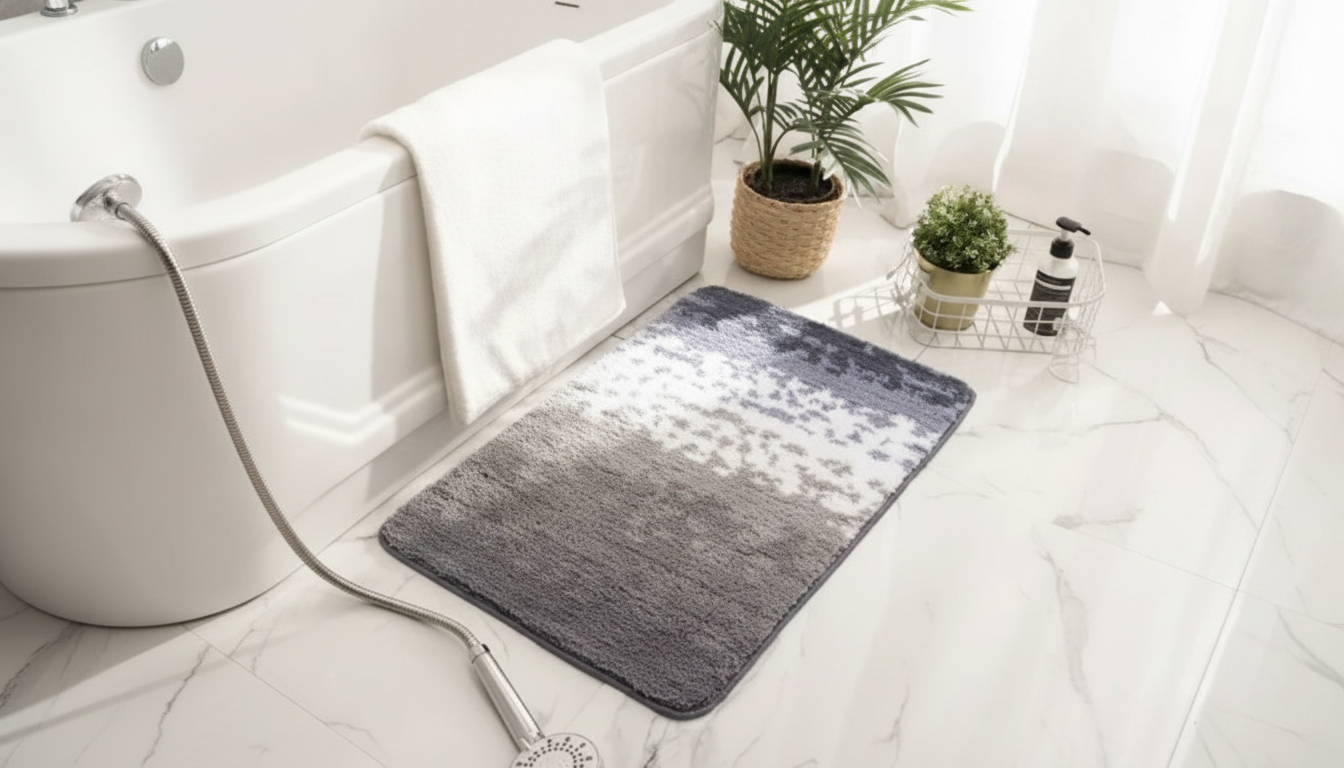
Cute Anti-Slip Absorbent Bathroom Carpet: Safer Footing and Faster Dry Floors
A bathroom carpet that stays put and soaks up water helps reduce slippery floors while adding a soft landing for bare feet. Whether it’s positioned by the shower, tub, or sink, the right carpet can make daily routines feel steadier and more comfortable—without turning into a high-maintenance chore. Below is a practical guide to what matters most: grip, absorbency, size, care, and placement.
What a bathroom carpet should do well
- Hold position on common bathroom flooring (tile, vinyl, sealed stone) to reduce shifting when stepping out of the shower.
- Absorb drips and splashes quickly so water is less likely to spread across the floor.
- Feel comfortable underfoot, especially first thing in the morning or after a hot shower.
- Dry efficiently between uses to help limit musty odors and moisture buildup.
- Maintain appearance after repeated washing and daily foot traffic.
Bathrooms are high-humidity, high-traffic zones, so performance is about more than looks. A “cute” carpet earns its place when it helps keep the floor drier, reduces that slick feeling underfoot, and stays pleasant to use week after week.
Anti-slip performance: what affects grip
Even the best anti-slip backing can’t do its job if the floor surface is working against it. Small changes in floor condition and placement often make a noticeable difference in stability.
- Floor condition matters: grip improves on clean, dry, smooth surfaces; dust, hair, lotion residue, or puddles reduce traction.
- Backing contact matters: full, flat contact with the floor generally grips better than curled corners or uneven placement.
- Movement patterns matter: stepping straight down is different from pivoting; place the carpet where turns are minimal (for example, directly outside the shower door).
- Safety check: press down on each corner after placing; if any corner lifts easily, reposition and clean the floor under it.
If fall prevention is a concern—especially in homes with kids, older adults, or anyone recovering from an injury—pair a grippy carpet with good lighting and clutter-free walkways. For broader safety context, the CDC’s fall prevention guidance is a helpful reference, and the CPSC’s slip, trip, and fall prevention overview offers practical hazard-reduction tips.
Absorbency and drying: keeping floors drier between cleanings
Absorbency is what keeps a small puddle from becoming a trail of wet footprints. Drying is what keeps that absorbency from turning into lingering dampness and odor.
- Use-case fit: higher absorbency helps most for showers, kids’ bath time, and frequent handwashing at the sink.
- Drying habits: hang or drape the carpet after heavy use if ventilation is limited, especially in smaller bathrooms without a fan.
- Moisture management: avoid stacking wet towels on top of the carpet; it slows drying and can lead to odor.
- Ventilation tip: run the bathroom exhaust fan during and 20–30 minutes after showers when possible.
When moisture lingers, odors and mildew risks go up. If you’re dealing with recurring dampness, the EPA’s guidance on moisture control and mold cleanup is a reliable place to start for prevention basics.
Placement and sizing guide for common bathroom layouts
Where the carpet sits often matters as much as what it’s made of. Aim for “first-contact coverage”—the spot where water is most likely to hit the floor.
- Outside the shower/tub: place the carpet so the first step out lands fully on the surface, not half on/half off.
- In front of the sink/vanity: choose a size that covers the typical standing area without blocking cabinet doors.
- Near toilets: keep a small gap from the base where possible for easier cleaning and to reduce splash exposure.
- Door clearance: confirm the bathroom door opens without catching the carpet edge.
- Multiple mats approach: two smaller carpets can be easier to launder and rotate than one oversized piece.
Care routine: cleaning, drying, and keeping it fresh
| Task | How often | Why it helps |
|---|---|---|
| Shake out / vacuum | 2–3× per week | Removes hair and grit that can reduce comfort and wear fibers |
| Spot clean small spills | As needed | Prevents residue buildup and discoloration |
| Wash | Every 1–2 weeks (high-use bathrooms) | Reduces odors and maintains absorbency |
| Dry completely | After each wash | Helps prevent musty smells and moisture issues |
| Wipe floor under carpet | Weekly | Improves backing contact and helps reduce slipping |
Style and comfort: making “cute” work with real-life bathrooms
Product spotlight: Cute Anti-Slip Absorbent Bathroom Carpet
The Cute Anti-Slip Absorbent Bathroom Carpet is designed to add comfort underfoot while supporting steadier footing in wet-prone zones like in front of a shower or sink. For best results, place it on a clean, dry floor, make sure it lies flat edge to edge, and do a quick corner-press test after positioning.
To round out the look and keep everyday bathroom items organized, the Modern Abstract Face Storage Box pairs well with a refreshed textile setup—helping reduce counter clutter so your bathroom carpet reads as a purposeful style choice, not just a functional add-on.
FAQ
How can a bathroom carpet be made less slippery on tile?
Clean and dry the tile first, lay the carpet flat with full backing contact, and avoid placing it over dusty areas or lingering puddles. Press down on each corner; if any edge lifts easily, reposition and re-clean the floor beneath it.
How often should an absorbent bathroom carpet be washed?
In high-use bathrooms, washing every 1–2 weeks works well, plus spot cleaning as needed. Always follow the care label and dry it completely after washing to help prevent odors.
What’s the best place to put a bathroom carpet after a shower?
Place it where the first step out of the shower or tub lands fully on the carpet. Ensure it catches drips without interfering with the bathroom door, vanity doors, or other fixtures.














Leave a comment